Wednesday, April 2, 2025

தெளிவின் திறவுகோல்!


நடுப்பக்கக் கட்டுரைகள் 

தெளிவின் திறவுகோல்! 02.04.2025


என் உறவினர் கண் மருத்துவர். அவரைப் பார்க்கச் சென்றிருந்தபோது, அவர் அறுவைச் சிகிச்சை செய்து கொண்டிருந்ததால், நான் ஓர் அறையில் காத்திருந்தேன். அந்த அறையில் ஓர் உதவியாளர் கண் பரிசோதனை செய்து கொண்டிருந்தார். பலரும் முதல் நான்கு வரிசை எழுத்துகளை எளிதாகப் படித்துவிட்டார்கள். கடைசி இரண்டு வரிசை எழுத்துகளைப் படிக்க கண்ணாடிகளைப் பொருத்தி, பின் படிக்கச் சொன்னார்கள். இது நன்றாகத் தெரிகிறதா? என்று கேட்டுக் கேட்டு, கண்ணாடிகளை மாற்றி மாற்றிப் பொருத்தி, படிக்கச் சொன்னார்கள். அந்த மனிதர் நன்றாகத் தெரிகிறது என்று சொன்னார். இதில் இரு சாராருமே களைத்துப் போய் விடுகிறார்கள். வேறு எந்த சிகிச்சைக்குப் போனாலும், மருத்துவர்கள் நம்மைக் கேட்டு சிகிச்சை செய்யமாட்டார்கள். நோயின் தன்மைக்கேற்ப மருத்துவர்கள் சிகிச்சை அளித்துவிடுவார்கள். கண் பரிசோதனை போல இங்கு நம் முடிவு தேவை இல்லை. 

எதையுமே நம் விருப்பத்துக்கு விட்டுவிட்டால், நாம் முடிவெடுப்பதில் குழப்பம் அடைகிறோம். நிறையத் தயங்குவோம்; யோசிப்போம். ஒரு புடவை அல்லது நகை வாங்க எவ்வளவு நேரத்தை எடுத்துக் கொள்கிறார்கள்! ஒரு கடையையே புரட்டிப் போட்டுவிடுகிறார்கள். அப்போதும் திருப்தி ஏற்படுவதில்லை. ஒரு புடவை, நம் வாழ்நாள் முழுவதும் கிழிந்து போகாமல் இருக்குமா? அதை வருடத்துக்குப் பத்து முறை உடுத்துவார்களா? இவர்கள் நூற்றுக்கணக்கான புடவைகளை நிராகரிப்பார்கள். இன்னொரு பெண் கையில் வைத்துள்ள புடவையின் மீது கண் போகும். உடனே அது பிடித்துப் போய்விடும். அதைக் கொடுக்கும்படிக் கேட்பார்கள். அவ்வளவு நேரமும் அந்தப் புடவையை எடுக்கலாமா, வேண்டாமா என்று யோசித்துக் கொண்டிருந்த அந்தப் 
பெண், சட்டென்று, தான் அதை எடுத்துக் கொண்டதாகக் கூறிவிடுவார். இவர் ஏமாற்றம் அடைந்துவிடுவார். புடவைக்கே இந்த நிலை என்றால், நகைக்கு எப்படி இருக்கும்? 

ஒவ்வொன்றையும் அணிந்து, கண்ணாடியில் பார்த்து, பின் வேறு வடிவமைப்பு வேண்டும் என்று கேட்பது; எதையும் வாங்காமல் பொழுதைப் போக்கிவிட்டு, குளிர்பானம் குடித்து, பின் எழுந்து போய்விடுவது - பாவம், அந்த விற்பனையாளர்கள். இரண்டு கிராம் நகைக்கே அத்தனை தேடல் இருக்கும். கல்யாணத்துக்கு நகை வாங்குவது என்றால் கற்பனையே வயிற்றைக் கலக்குகிறது. 

அதேசமயம், யாராவது பரிசாக ஒரு புடவை கொடுத்தால், புடவையின் நிறம், தரம் என எதையும் குறை சொல்லாமல் பெற்றுக் கொள்கிறார்கள். கொடுப்பவர்கள் நிறையப் புடவைகளைக் காட்டி, அவற்றுள் ஏதாவது ஒன்றை எடுத்துக்கொள்ளச் சொன்னால் மீண்டும் புரட்டுதல், ஒதுக்குதல் நடக்கும்.

உணவகத்துக்குப் போனால் என்ன சாப்பிடுவது என்று முடிவெடுக்க நிறைய நேரம் எடுத்துக் கொள்கிறார்கள். தட்டில் உணவு வந்த பின், பக்கத்து மேசையில் உள்ளதைப் பார்த்து, "அடடா! அதை சொல்லியிருக்கலாமோ?'” என நினைக்கிறார்கள். வயிறு நிறைந்துவிட்டால் அமிழ்தமே ஆனாலும் மறுத்து விடுகிறோம். அதற்கெதற்கு இவ்வளவு தீவிர திட்டமிடல்! ஒவ்வொரு விஷயத்திலும் சட்டென முடிவெடுக்க முடியாமல் குழம்பித் தவிக்கிறோம். 

வீடு கட்டத் தொடங்கும் முன்பே எவ்வளவு யோசனைகள், ஆலோசனைகள், திட்டமிடல். நம் ஒவ்வொருவருக்கும் வீடு குறித்த கனவுகளும், கற்பனைகளும் நிறைய இருக்கும். அதனால் உத்தேசித்த தொகையைக் காட்டிலும் கூடுதலாக செலவை இழுத்துவிட்டுக் கொள்கிறார்கள். யானை அசைந்து தின்னும், வீடு அசையாமல் தின்னும் என்பார்கள். அதிலும் முக்கியமாக எந்த வர்ணம் அடிப்பது என்று முடிவு செய்வதற்குள் விழிபிதுங்கிப் போய்விடும். 

உணவகம் போவதற்காகட்டும், மருத்துவமனை போவதற்காகட்டும் அவை குறித்த மதிப்புரைகளை இணையத்தில் பார்த்த பின்னரே போகிறார்கள். பிள்ளையை எந்தப் பள்ளியில் சேர்க்கலாம்? எந்தக் கல்லூரியில் சேர்க்கலாம்? எந்தத் துறையைத் தேர்ந்தெடுக்கலாம்? என்று நிறைய யோசித்து, பலரிடம் ஆலோசனை கேட்டு, இறுதியில் அவர்கள் விருப்பத்துக்கு முதலிடம் கொடுப்பார்கள். ஒரு காலணி அல்லது ஒரு கைப்பையைக்கூட எளிதில் வாங்குவதில்லை. இரு சக்கர வாகனம் மற்றும் கார் வாங்க வேண்டுமென்றால் ஆயிரம் ஆராய்ச்சிகள். எல்லோரும் வியந்து பாராட்ட வேண்டும்; தம் செல்வச்செழிப்பின் அடையாளமாக அது இருக்க வேண்டும் என நினைக்கிறார்கள். தரமான பொருளைத் தேடி, பல கடைகளில் விலையை ஒப்பிட்டுப் பார்த்து வாங்குகிறார்கள். பொருளின் தரம், விலை, ஆயுள், பயன்பாடு ஆகியவற்றைக் கவனிக்கிறார்கள். பொருள்களின் விவரங்கள், தயாரிப்பு, உத்தரவாதம் இவற்றோடு பொருளில் ஏதேனும் பழுது இருக்கிறதா? என்றும் பார்க்கிறார்கள். சிலர் சந்தையில் புதிய வகை கைப்பேசி அறிமுகம் செய்யப்பட்டவுடன் அதை வாங்குகிறார்கள். சிலர் கைப்பேசி வாங்குவதற்கு முன், ஒவ்வொரு புதிய ரக கைப்பேசி குறித்த தகவல்களைத் தெரிந்துகொண்டு, அதில் என்னென்ன வசதிகள் உள்ளன? அது பற்றிய மதிப்புரைகள், அதன் பயன்பாடுகள் எல்லாவற்றையும் அறிந்து கொண்ட பின் வாங்குகிறார்கள். விழாக்கால சிறப்புத் தள்ளுபடிக்காகக் காத்திருப்போரும் உண்டு. பத்து ரூபாய் பொருள் வாங்க, பத்து முறை யோசித்து வாங்குபவர்கள், முக்கியமான விஷயங்களில் அவசரப்பட்டு விடுகிறார்கள். 

முதலில் திருமண விஷயத்தை எடுத்துக் கொள்ளலாம். அனைவருக்கும் தங்கள் வாரிசுகளுக்கு, சிறந்த வாழ்க்கைத் துணை அமைய வேண்டும் என்பதுதான் ஆசை. ஆனால், சதுரங்க ஆட்டத்தில் காய் முகப்பு தற்போதைய செய்திகள் திரை / சின்னத்திரை விளையாட்டு வெப் ஸ்டோரிஸ் விஷுவல் ஸ்டோரிஸ் தமிழ்நாடு இந்தியா நகர்த்துவதுபோல கவனத்துடன் இருந்தாலும் கோட்டை விட்டுவிடுகிறார்கள். பெண்ணுக்கு வரன் தேடும்போது, மணமகனின் தோற்றம், குடும்பப் பின்னணி, வேலை, ஊதியம், வசதி என அனைத்தும் சிறப்பாக இருக்க வேண்டும் என்று தேடி அலைகிறார்கள். ஜாதகப் பொருத்தம் இல்லையென்றால், ஒப்புக் கொள்வதில்லை. அதேசமயம் வெளித் தோற்றத்தையும், பகட்டையும் பார்த்து ஏமாந்து போய்விடுகிறார்கள். மணமகனின் குணம் எப்படிப்பட்டது என விசாரிப்பதில்லை. அப்படியே விசாரித்தாலும், அக்கம் பக்கத்தினரோ, மணமகனுடன் பணிபுரிபவர்களோ, சுற்றமோ உண்மையைக் கூறாமல் மறைத்து விடுகிறார்கள்.

இப்போதெல்லாம் பல இளைஞர்களின் போக்கு சரியில்லை; விசித்திரமாக நடந்துகொள்கிறார்கள். மணமகனின் வீட்டாரைப் பொருத்தவரை மணமகளின் அழகு, ஊதியம், வசதி ஆகியவை முக்கியம். வீட்டுக்கு ஒரே பெண்ணாக இருந்தால் மிக்க மகிழ்ச்சி. அத்தனை சொத்தும் சிந்தாமல், சிதறாமல் மகனுக்கு வந்துவிட வேண்டும். மனப் பொருத்தம் இல்லாத திருமணம் சிதைந்து போகிறது. காதல் மணம் புரிந்து கொள்பவர்கள் மிகவும் அவசரப்பட்டு விடுகிறார்கள். ஒருவருக்கு, மற்றவரின் உண்மையான குணம், குடும்பப் பின்னணி ஆகியவை தெரிய வருவதற்குள் எல்லாம் முடிந்து போகிறது. பெற்றவர்களால் சரியான முடிவை எடுக்க முடியாது என்ற காரணத்தினால் பெண் பார்க்கவும், மாப்பிள்ளை பார்க்கவும் நெருங்கிய சுற்றத்தை அழைத்துச் செல்கிறார்கள். அவர்களின் கணிப்பு சரியாக இருக்கும். தற்போது உடன் வருபவர்கள் எந்தக் கருத்தையும் சொல்வதில்லை.

நதியின் பிழையன்று நறும்புனல் இன்மை; விதியின் பிழை என்று எடுத்துக் கொள்ள வேண்டியதாகிறது. பொட்டு, வளையல் போன்றவற்றை வாங்க பொறுமையாகத் தேடுபவர்கள், வாழ்க்கைத் துணை தேர்வில் தவறான முடிவை எடுத்து விடுகிறார்கள். அடுத்து, நமக்கென தேசியக் கடமையும் உண்டு. மக்களாட்சி முறையில் நம்மை ஆட்சி செய்பவர்களை நாம் தேர்வு செய்கிறோம். மிக முக்கியமான இந்த ஜனநாயகக் கடமையை முறைப்படி ஆற்றத் தவறுபவர்கள் வெட்கப்பட வேண்டும். கடமையைச் செய்யாமல், உரிமையைக் கோர என்ன தகுதி அவர்களுக்கு இருக்கிறது? 

நம் வாக்கை யாருக்கு அளிப்பது என்பது தனிநபர் முடிவு. குழு முடிவும் உண்டு. ஒரு கட்சியின் உறுப்பினராக இருப்பவர்கள் அந்தக் கட்சிக்கு வாக்களிக்க வேண்டும் என்பதில் அவர்கள் உறுதியாக இருப்பார்கள். தொண்டர்கள் விருப்பப்படியா பிற கட்சிகளுடன் தேர்தல் உடன்படிக்கை ஏற்படுகிறது? பிடிக்காவிட்டாலும்கூட அந்தக் கட்சியை ஆதரிக்க வேண்டும். எந்தக் கட்சியிலும் சார்ந்து இல்லாதவர்கள் எந்தச் சின்னத்துக்கு வாக்களிப்பது என்று முடிவெடுக்கத் தடுமாறுகிறார்கள். அத்தகையவர்களை ஒரு பட்டியல் போடலாம். ஒரு கட்சி தன் பதவிக் காலத்தில் என்னென்ன நலத் திட்டங்களை நிறைவேற்றியது, நேர்மையான ஆட்சி இருந்ததா, தடாலடி அரசியலா, தார்மிக அரசியலா, தனிமனித சுதந்திரம் இருந்ததா, மாநிலம் எந்த அளவுக்கு வளர்ச்சி அடைந்தது, விவசாயிகளுக்கு நன்மை செய்தார்களா, செய்வார்களா, தொழில்முனைவோரின் பாதுகாப்பு, காவல் துறையின் கண்ணியம், கல்விக்கூடங்களின் உள்கட்டமைப்பு, சாலை வசதிகள், குடிநீர் வசதிகள், நகரத் தூய்மை, சட்டம்-ஒழுங்கு நிலைமை; பெண்கள் பாதுகாப்பு ஆகிய அனைத்தையும் கருத்தில்கொண்டு வாக்களிக்க வேண்டும். ஐந்து ஆண்டுகள் நம் வாழ்க்கையை அவர்களிடம் ஒப்படைக்கிறோம் என்பதைக் கருத்தில் கொண்டு, உள்ளதில் நல்லதுக்கு வாக்களிப்போம். 

நாம் எடுக்கும் ஒவ்வொரு நம் வாழ்க்கையில் எதிரொலிக்கும். தனிமனித முடிவு என்பது ஒருவர் தன்னிச்சையாக எடுப்பது. இது ஒரு நபரின் சொந்த விருப்பம், சிந்தனை மற்றும் சூழ்நிலைகளின் அடிப்படையில் எடுக்கப்படும் ஒரு முடிவாக இருக்கும். சில விஷயங்களில் தனிப்பட்ட முடிவை எடுக்கத் தயங்கி, மற்றவர்களின் ஆலோசனைகள், விருப்பங்கள் அல்லது கட்டாயங்களுக்கு உட்பட்டு அதை ஏற்றுக் கொள்கிறோம். ஒரு தனிப்பட்ட முடிவு, அந்த நபரின் வாழ்க்கையில் நேர்மறையான அல்லது எதிர்மறையான விளைவுகளை ஏற்படுத்தலாம். எது எப்படி நடக்க வேண்டுமோ. அது அப்படித்தான் நடக்கும். சுனிதா வில்லியம்ஸ், வில்பர் ஆகியோர் எட்டு நாள்கள் மட்டுமே விண்வெளியில் இருப்பதற்காக அனுப்பப்பட்டார்கள். ஆனால், அவர்கள் 286 நாள்கள் இருக்கும்படி ஆகிவிட்டது. அதேசமயம் விதியின் மீது பழியைப் போடாமல், நம் மதியையும் உபயோகித்து எந்த ஒரு முடிவையும் எடுத்தால், குற்ற உணர்ச்சியில் தவிக்க மாட்டோம்.

கட்டுரையாளர்: பேராசிரியர். தினமணி'யை வாட்ஸ்ஆப் சேனலில் பின்தொடர... 

Poor mobile network at Tambaram railway station, harrowing time for commuters


Poor mobile network at Tambaram railway station, harrowing time for commuters

Lack of separate route for suburban and non-suburban travellers leads to overcrowding


Updated on:
31 Mar 2025, 9:25 am

CHENNAI: Imagine entering a railway station to board a train and being stranded without mobile connectivity — no signals, no data, unable to contact anybody or even buy food using digital payment apps.

A 35-year-old woman who entered Tambaram Railway Station on a Friday last month to board the Sengottai-bound Silambu Express had a harrowing time, unable to call her relatives who had boarded the train at Egmore, or even purchase snacks for her six-year-old child.

Hundreds of passengers faced a similar ordeal a day before an auspicious (Muhurtham) day, which coincided with an extended holiday weekend. An erratic public announcement system only added to their woes.

Though Southern Railway officials acknowledged the issue and assured that they would coordinate with telecom providers and restore connectivity, the root of the problem lies deeper – the railway’s inability to separate suburban and non-suburban travellers on the Tambaram-Chengalpattu route.

Chennai city gets the highest floating population from Chengalpattu, Maduranthagam, Villupuram, Vriddhachalam and villages near Chengalpattu and Kallakuruchi districts. These passengers return to their natives during weekends and holidays. A chunk of commuters bound for Chengalpattu mostly board express trains instead of local trains, resulting in packed reserved coaches and dangerously congested unreserved ones, forcing passengers to travel hanging on footboards.

Nirmala Rajendran, a resident of Madipakkam said, “I had to return the snacks I bought for my child because GPay wasn’t working. My relatives had boarded at Egmore, and I wanted to join them at Tambaram. But the FOB was jam-packed and I could barely move. With no mobile network, I could not even check if they were on the train.”

She further recalled, “Even the ATMs near the station weren’t dispensing cash. I had to use whatever little I had for auto-rickshaw fare. There was no coach indicator at the platform and the announcement system only added to the tension.

They announced the Silambu Express’ arrival, but before it arrived, another express train was allowed to pass through leaving everyone at their wits’ end.” Another passenger, S Sivaraj from Pallavaram, said, “I spent 20 minutes trying to buy an unreserved ticket to Vriddhachalam through an automatic ticket vending machine, but the payment wouldn’t go through.

Then, I took my phone outside the station to book through UTS app and it still did not work. When the train arrived, I had no choice other than boarding without a ticket.”

Suburban traveller D Lalith from Tiruvottiyur said, “The ticket counter line stretched all the way till the station entrance. Since I had to catch the last train to Gummidipundi from Chennai Central by 10 pm, I boarded at Tambaram without a ticket.”

Tambaram station receives around 1.8 lakh passengers every day, which swells to 2.2 lakh on weekends and festival seasons. The station’s monthly average earnings stood at Rs 18.4 crore in 2024-25 (till February).

TNIE learnt that Kilambakkam bus terminus faced similar network failures during last Deepavali and other holiday seasons. After the CMDA notified the issue to telecom providers, the connectivity issues were resolved.

Railway station

I had to return the snacks I bought for my child because GPay wasn’t working, says a Madipakkam resident

I spent 20 minutes trying to buy a ticket, but payment didn’t go through, says a Pallavaram resident

Queue was too long and I couldn’t wait for a ticket & risk missing the last train from Central, says a suburban traveller

Doctors at TN Dr MGR Medical University in Chennai face unhygienic canteen, stray dogs


Doctors at TN Dr MGR Medical University in Chennai face unhygienic canteen, stray dogs

Behind the canteen, the food is prepared in an open space, which is also maintained in an unhygienic condition amidst the smell of sewage.


Dogs roaming near the canteen; the overflowing sewagePhoto | Ashwin Prasath


CHENNAI: Doctors from across the city who use the facilities at Tamil Nadu Dr MGR Medical University in Guindy to prepare for NEET-PG and NEET-SS are forced to rely on its canteen, which has stray dogs feasting from the left-over trays and the air reeking of sewage.

As one steps inside the canteen, they first has to encounter the smell of sewage before they could reach the food.

Hundreds of doctors, including those staying in other hostels, come to the campus to prepare for NEET-PG and NEET-SS. These doctors take up a paid membership to use the study rooms and library. Doctors TNIE spoke to said they come to the campus because of the quiet environment that lets them study in peace. However, there is no restaurant nearby, and if they choose to travel for lunch, they lose time.

A staff said the overflowing sewage and the stench from it is a recurrent problem. Behind the canteen, the food is prepared in an open space, which is also maintained in an unhygienic condition amidst the smell of sewage.

Most staff do not use the canteen as they bring food from home.

“On the days they don’t bring, they eat outside and not from the canteen. It is maintained in poor condition,” said a staff member.

A doctor who is preparing for NEET-SS (super speciality) said, “It was better when I used to come here five years ago. But, now it has worsened. There are stray dogs everywhere, even in the dining space. The furniture and other things also need replacement. It’s a total mess.”

When asked, an official from the university said one month ago, they also received complaints following which, officials inspected the canteen and instructed the contractor to maintain it well.

“We will again instruct the contractor to maintain the canteen in good condition,” the official added.

After TNIE raised the issue with the officials, a temporary arrangement was made to cover the open sewage.

Saturday, March 29, 2025

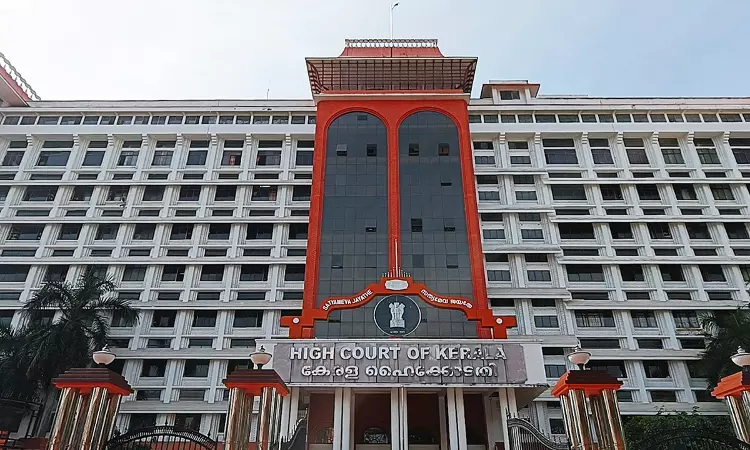
Three-Day Absence During COVID Lockdown Not Justification For Compulsory Retirement; Kerala HC Reinstates Railway Employee With Full Benefits


Three-Day Absence During COVID Lockdown Not Justification For Compulsory Retirement; Kerala HC Reinstates Railway Employee With Full Benefits


26 Mar 2025 12:16 PM


Kerala High Court: A Division Bench comprising Justice Amit Rawal and Justice K.V. Jayakumar set aside the compulsory retirement of a Railway employee. As the only misconduct was unauthorized absence for three days during the pandemic, the court found the punishment to be grossly disproportionate. The court directed his immediate reinstatement with all consequential benefits, and ruled that his absence should be treated as casual leave in accordance with government COVID-related office memorandums.


Background

Nitheesh K., employed as Technician-III under the Railways, took medical emergency leave from 16th to 18th March 2020 to visit his native place in Kerala. He subsequently requested and was granted leave extension from 19 to 21 March. On 22nd March, the government declared a general curfew to contain the COVID-19 pandemic, followed by a nationwide lockdown that continued until 2nd June 2020.


During the lockdown period, Nitheesh remained at his native place. Eventually, on 31st July, he obtained a travel pass and reported for duty. Upon arrival, he sought regularization of his leave during the period of absence. He cited government circulars regarding the special casual leave considering COVID pandemic. The Railways rejected this request and issued a charge sheet alleging unauthorized absence from March to August 2020. Consequently, Nitheesh was penalised with compulsory retirement.


He challenged this order before the Central Administrative Tribunal (CAT), which found that the punishment of compulsory retirement was disproportionate. The CAT directed the Union to consider imposing a lesser punishment. Consequently, the Railways demoted him to Assistant (Workshop) Grade with pay fixed at Rs.18,000/- for 48 months. Aggrieved, Nitheesh approached the High Court.

Arguments


Nitheesh argued that the punishment was disproportionate considering the COVID-19 pandemic. He pointed out that the workshop remained closed from 20.03.2020 to 02.06.2020, and his extended leave was only until 21.03.2020. He submitted that not being able to explain three days of absence (22nd to 24th March 2020) could not justify such severe punishment. He also submitted that similarly situated employees were granted exemptions or received lesser punishments for unexplained long absences.

The Union of India argued that unexplained absence of a government employee constitutes serious indiscipline that cannot be pardoned. While conceding that compulsory retirement might not be justified (as per the Tribunal's order), they maintained that the subsequent penalty of reduction in pay grade was appropriate.

Court's Reasoning

Firstly, the Court noted that Nitheesh was on sanctioned leave until 21.03.2020, and there was an undisputed nationwide lockdown beginning on 24.03.2020. The workshop too was closed from 20.03.2020 to 02.06.2020. In these circumstances, the Court found compulsory retirement to be disproportionate and a “wholly unjustified” punishment.

Secondly, the Court observed that the revised punishment amounted to withholding increments with cumulative effect, as it effectively takes away valuable service benefits for almost seven years. The court ruled that this too was disproportionate to the alleged misconduct.

Thirdly, the Court highlighted that Nitheesh had demonstrated his commitment by traveling 400 km during the pandemic to report for duty, after which he was advised to undergo quarantine for 14 days. The Court concluded that there was “hardly any willful absence” on Nitheesh's part that could justify such severe punishment.

Thus, the Court set aside both the compulsory retirement order and the revised punishment order. As per the Office Memorandum dated 28.07.2020, the court directed the Union to treat Nitheesh's unauthorised absence for three days as casual leave. Consequently, the court ordered his reinstatement with all benefits within one month.

Decided on: 25.02.2025

Neutral Citation: 2025:KER:16819 | Nitheesh K. v. Union of India

Counsel for the Petitioner: Mr. Martin G. Thottan and Mr. Varghese John

Counsel for the Respondents: Sri. R.V. Sreejith

Friday, March 28, 2025

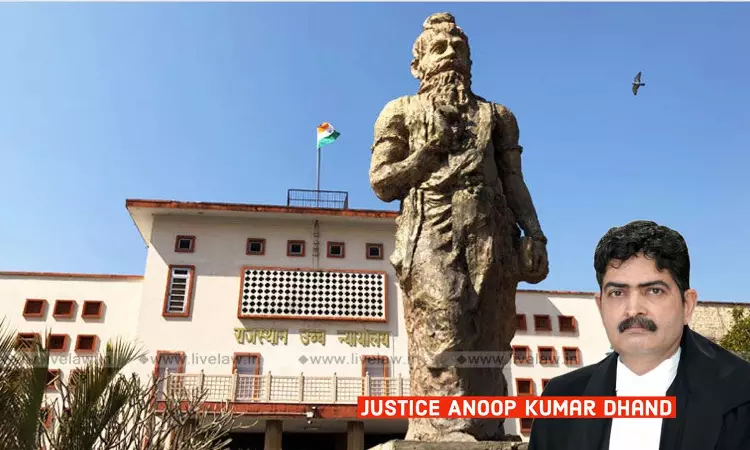
'For 20 Yrs He Was Sleeping': Rajasthan High Court Rejects Govt Employee's Plea Against 2002 Penalty Stopping Yearly Increments

'For 20 Yrs He Was Sleeping': Rajasthan High Court Rejects Govt Employee's Plea Against 2002 Penalty Stopping Yearly Increments

Nupur Agrawal


25 Mar 2025 12:15 PM


Dismissing a government employee's plea challenging a penalty which stopped three annual grade increments as well as rejection of appeal and review petitions, the Rajasthan High Court observed that his plea was barred by delay of over two decades.

Justice Anoop Kumar Dhand in his order said,

"It appears that the petitioner was sleeping over the matter for more than two decades and all of sudden, he woke up after twenty years and approached this Court without giving any plausible explanation in the instant writ petition about the aforesaid inordinate delay".

Also Read - Jurisdictional Assessing Officer Lacks Jurisdiction To Issue Reassessment Notices U/S 148 Of Income Tax Act: Rajasthan High Court

The petitioner was imposed with the penalty of stoppage of 3 annual grade increments in 2002 under Rule 16 of the Rajasthan Civil Services (Classification, Control and Appeal) Rules. An appeal as well as a review petition were filed against this 2002 order imposing penalty, but these were rejected in 2003 and 2004 respectively.

He then approached the high court in 2024 filing a petition challenging the original order imposing penalty as well as rejection of the appeal and the review petition against that order.

Also Read - IPR Violation Affects Public Interest, Courts Should Be Prompt In Granting Interim Injunction: Rajasthan High Court

The Court highlighted the settled position of law by making a reference to many Supreme Court decisions.

In the cases of New Delhi Municipal Council v Pan Singh and Others, as well as State of Uttaranchal and another v Sri Shiv Charan Singh Bhandari and Others it was held that irrespective of there being no period of limitation provided for filing a writ petition under Article 226, ordinarily it should be filed within a reasonable period. It was further held that relief to someone who put forth a stale claim could be refused on account of delay and laches because anyone sleeping over his rights was bound to suffer.

Also Read - Rajasthan HC Orders Woman's Appointment As Clerk Denied For Taking Back Original Documents In Bonafide Belief That Selection Process Is Over

Similarly, in the case of Chennai Metropolitan Water Supply and Sewerage Board and Others v T.T.Murali Babu, it was held that,

“The court should bear in mind that it is exercising an extraordinary and equitable jurisdiction. As a constitutional court it has a duty to protect the rights of the citizens but simultaneously it is to keep itself alive to the primary principle that when an aggrieved person, without adequate reason, approaches the court at his own leisure or pleasure, the court would be under legal obligation to scrutinize whether the lis at a belated stage should be entertained or not. Be it noted, delay comes in the way of equity… Delay reflects inactivity and inaction on the part of a litigant “a litigant who has forgotten the basic norms, namely, "procrastination is the greatest thief of time" and second, law does not permit one to sleep and rise like a phoenix.”

Also Read - Eligibility Should Be Checked At Threshold, Not After Selection: Rajasthan HC Orders Appointment Of Asha Worker Denied Post Despite Selection

In this background, the high court observed that the petitioner approached the court after a delay of almost 20 years without any satisfactory explanation for laches and delay, and law had already set its face against such indolent litigants.

Accordingly, the petition was dismissed.

Title: Sudershan v State of Rajasthan & Ors.

Citation: 2025 LiveLaw (Raj) 118

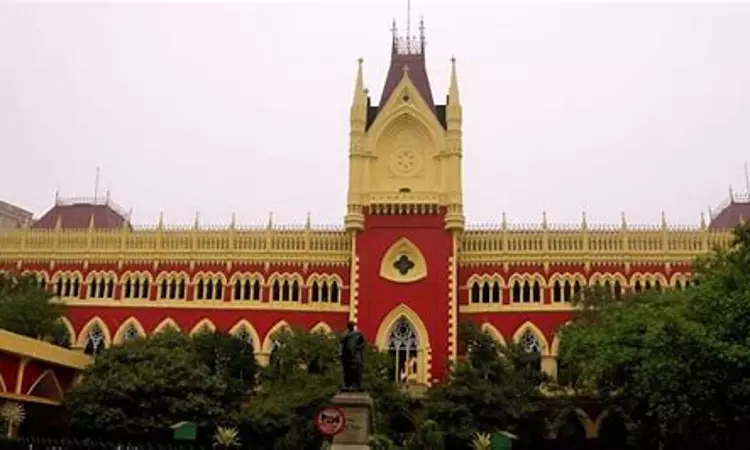
Government Employee Dying A Day Before 60th Birthday Is Deemed Under 60, Dependent Eligible For Compassionate Appointment : Calcutta HC


Government Employee Dying A Day Before 60th Birthday Is Deemed Under 60, Dependent Eligible For Compassionate Appointment : Calcutta HC

Namdev Singh


25 Mar 2025 1:15 PM


The Calcutta High Court bench comprising of Saugata Bhattacharyya, J. held that a government employee is deemed not to have completed 60 years of age if they die one day before their 60th birthday, therefore making their dependent eligible for compassionate appointment.

Background Facts

The petitioner applied for appointment on compassionate ground in a secondary school after death of his father. The date of birth of father was 2nd January, 1961. He turned sixty on January 1, 2021, the same day he passed away. The respondent refused the prayer of the petitioner. The reason assigned by the respondent in the memo dated 5th February, 2024 was attainment of age of sixty years by father of the petitioner on 1st January, 2021 when he died.

Also Read - Recovery Of Excess Amount Can't Be Permitted If Officer Is Not At Fault: Delhi High Court


The respondent decided on the basis of Schedule V of the West Bengal School Service Commission (Selection of Persons for Appointment to the Post of Non-teaching Staff) Rules, 2009 (Rules of 2009), that father of the petitioner attained sixty years on the date of his death, therefore, petitioner was not entitled to get benefit of appointment on compassionate ground.

Aggrieved by the same, the petitioner filed the writ petition for quashing the memo dated 5th February, 2024 issued by the Assistant Secretary, West Bengal Regional School Service Commission.

Also Read - Repeated Misconduct Justifies Compulsory Retirement Under BSF Rules: J&K HC

It was contended by the petitioner that since date of birth of father of the petitioner was 2nd January, 1961 therefore, father of the petitioner did not complete sixty years on 1st January, 2021. He would have completed sixty years on 2nd January, 2021. It was further argued that, despite the petitioner's father's date of superannuation, the petitioner should have been considered an eligible candidate for appointment on compassionate grounds. It was stated that there was one day short to complete age of 60 years on the date of death, which makes the petitioner entitled to be considered for appointment on compassionate ground.

Also Read - Part-Time Teachers In Night Junior Colleges Not Entitled To Pensionary Benefits Under MEPS Rules: Bombay HC

Further petitioner relied on Rules 18 and 20 of the West Bengal Primary School Teachers Recruitment Rules, 2016. As per Rule 18, the superannuation date of father of the petitioner was 31st January, 2021. It was further submitted that Rule 20 states the financial hardship of family of deceased teacher and definition of family are to be taken into consideration in terms of Schedule V of the Rules of 2009.

Also Read - KWA Service | Once Appointed As Assistant Engineer, Right To Opt For Degree Or Diploma Quota For Promotion Remains Open: Supreme Court

On the other hand it was contended by the respondent that Rules of 2016 was not applicable but Schedule V of Rules of 2009 was applicable while adjudging eligibility of the petitioner to be appointed on compassionate ground. Clause 1 of Schedule V of the Rules of 2009 states that date of superannuation of father of petitioner was fixed on 31st January, 2021. However, father of the petitioner attained sixty years on 1st January, 2021 which makes the petitioner disentitled in the matter of granting appointment on compassionate ground. According to the respondent authorities, date of birth of father of the petitioner was 2nd January, 1961 and he completed sixty years of age on 1st January, 2021. Therefore, petitioner was not entitled to be considered for appointment on compassionate ground.

Findings of the Court

The Clause 1 under Schedule V of the Rules of 2009 was relied upon by the court which provides that when a teacher or non-teaching staff dies in harness before the date of his superannuation that is the age of sixty years in that event only one of the family members of the deceased teacher /nonteaching staff is entitled to be considered for appointment on compassionate ground.

It was observed by the court that father of the petitioner was scheduled to retire on 31st January, 2021 but unfortunately, he died on 1st January, 2021 when his age was 59 years 11 months and 29 days. If the father would have died on 2nd January, 2021 it could have been concluded that father completed sixty years of age.

It was further observed that had father of the petitioner died on 2nd January, 2021 then son would have been adjudged being not eligible to be considered for appointment on compassionate ground. But in the present case, since father died on the last date when he attained 60th year it cannot be concluded that the father completed sixty years.

Therefore, it was held by the court that there is no bar in considering application of the petitioner seeking appointment on compassionate ground if father of the petitioner had died on the last date just before completing sixty years of age. Therefore, the memo dated 5th February, 2024 issued by the respondent was set aside by the court.

With the aforesaid observations, the writ petition was allowed.

Case Name : Sk. Monikul Hossain VS. The State of West Bengal & Ors.

Case No. : W.P.A. 28275 OF 2024

Counsel for the Petitioner : Firdous Samim, Gopa Biswas, Sampriti Saha, Swati Dey

Counsel for the Respondents : Biswabrata Basu Mallick, Biman Halder, Sunit Kumar Roy, Saibal Acharyya, Tanweer Jamil Mandal

Although MCI Regulations Allow 30% Of Faculty Positions To Be Reserved For Non-Medical Candidates In Colleges, It Is Not Mandatory: J&K High Court

Although MCI Regulations Allow 30% Of Faculty Positions To Be Reserved For Non-Medical Candidates In Colleges, It Is Not Mandatory: J&K High Court


27 Mar 2025 4:25 PM


Clarifying the rules for recruitment in medical institutes, the Jammu and Kashmir High Court ruled that the Medical Council of India (MCI) guidelines allow for up to 30% of the total appointments in certain departments to be from non-medical faculty, but there is no legal obligation to do so.

Respondent No.1, who was a non-medical candidate, had challenged the appointment on the basis that the institute was under an obligation to appoint 30% from non-medical candidates. The court however said that the contention of Respondent No.1, challenging the appointment of a candidate belonging to the medical category was without any basis.

A bench of Justices Sanjeev Kumar, Justice Puneet Gupta made it clear that the rule referred to by Respondent No.1 was not a mandatory provision but discretionary and further observed that even if a medical institute appoints all teachers from the medical category in departments such as Anatomy, Physiology, Biochemistry, and Pharmacology, it cannot be said that the institute has violated the 30% norm laid down in the regulations.

The court noted that the posts in question were advertised in 2016, and by virtue of the said advertisement, both candidates from the medical and non-medical streams could apply. The court said that Respondent No.1 had the lowest score in the merit list, whereas Respondent No.4 had the highest marks and was accordingly selected for the post.

The court observed that in the presence of more meritorious candidates with medical qualifications, the unfilled post could not have been given to Respondent No.1, who was last in the merit list, solely on the basis that he possessed a non-medical qualification.

The court held that the contention of Respondent No.1, requiring the institute to mandatorily fill 30% of the seats from non-medical candidates, was totally misconceived and contrary to the regulations provided by the MCI.

The court ruled that the single bench had earlier operated on the wrong premise that the institute was obligated to fill 30% of posts from the non-medical category in each discipline.

The court also said that it is at the discretion of the medical institution concerned to appoint non-medical faculty in some departments, such as Pharmacology, but while doing so, the institution must ensure that the number of non-medical teachers does not exceed 30% of the total number of posts in the department.

BACKGROUND

The case revolves around the appointment of an Assistant Professor in the Department of Clinical Pharmacology at SKIMS, Srinagar. Respondent No.1 applied for the post of Assistant Professor, but Respondent No.4 was appointed to the position. Respondent No.1 challenged the selection process, arguing that SKIMS was obligated to fill 30% of faculty positions in Clinical Pharmacology with non-medical candidates as per Medical Council of India (MCI) norms.

The Single Judge of the High Court, in its judgment, directed SKIMS to reconsider his case for appointment retrospectively, prompting the appellant to file intra-court appeals.

APPEARANCE:

Jahangir Iqbal Ganai, Sr. Advocate with Mr. Junaid Malik, Advocate for Petitioners

M.Y.Bhat, Sr. Advocate with Mr. R.A.Bhat, Advocate for R-1

Abdul Rashid Malik, Sr. AAG with Ms. Rahella Khan, Advocate FOR Respondents

Case-title: Dr. Majid Farooq vs Dr. Majid Farooq, 2025

Faculty crunch sends salaries soaring in Bengaluru’s medical colleges

Faculty crunch sends salaries soaring in Bengaluru’s medical colleges Sruthy Susan Ullas Dec 21, 2025,  Faculty crunch sends salaries soari...