Sunday, March 31, 2019

மருத்துவத்துடன் சமூக பங்களிப்பும் அவசியம்

Added : மார் 31, 2019 02:33
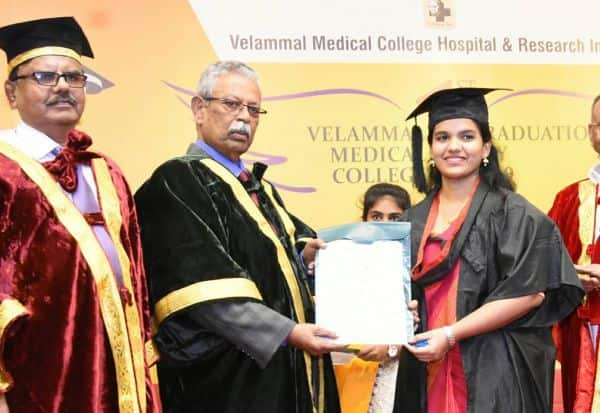


மதுரை: "மருத்துவத்துடன் சமூக பங்களிப்பிலும் டாக்டர்கள் அக்கறை செலுத்த வேண்டும்" என தமிழ்நாடு எம்.ஜி.ஆர்., மருத்துவ பல்கலை முன்னாள் துணைவேந்தர் ராஜா வலியுறுத்தினார்.

மதுரை வேலம்மாள் மருத்துவக் கல்லுாரியின் முதலாமாண்டு பட்டமளிப்பு விழா தலைவர் முத்துராமலிங்கம் தலைமையில் நடந்தது. டீன் ராஜா முத்தையா வரவேற்றார். கண்காணிப்பாளர் சோமசுந்தரம், துணை முதல்வர் மொகந்தி மற்றும் துறை பேராசிரியர்கள் பங்கேற்றனர்.

முத்துராமலிங்கம் பேசுகையில், "டாக்டர்கள் சிறந்த மருத்துவமனைகளை தேர்வு செய்வதில் கவனம் செலுத்த வேண்டும். ஒழுக்கத்தை கடைபிடித்து பெற்றோருக்கும், நாட்டிற்கும் நன்றியுள்ளவர்களாக இருக்க வேண்டும்" என்றார்.

முன்னாள் துணைவேந்தர் ராஜா பட்டமளிப்பு உரையாற்றியதாவது:தமிழகத்தில் உள்ள 20 மருத்துவக் கல்லுாரிகளில் வேலம்மாள் கல்லுாரி குறிப்பிடும் பெயரை பெற்றுள்ளது.
அரசு ஒதுக்கீட்டு இடங்களை தவறவிடும் திறமையான மாணவரின் டாக்டர் கனவை நிகர்நிலை பல்கலை மற்றும் தனியார் மருத்துவ கல்லுாரிகள் நிறைவேற்றுகின்றன.டாக்டர்களுக்கு ஓய்வு என்பது இல்லை. உயிரை காப்பாற்றும் பணியில் அவர்கள் மனதிருப்தியடைகின்றனர். பட்டம் பெறுவோர் நல்ல டாக்டராக, நல்ல பெற்றோராக, நல்ல மனிதராக விளங்க வேண்டும். சமூக பங்களிப்பில் அக்கறை செலுத்த வேண்டும் என்றார்.
விழாவில் 141 பேருக்கு பட்டங்கள் வழங்கப்பட்டன.
In 2001, the Tamil media went on a slut-shaming spree from the moment the story of the murder emerged.
Jeevajothi. That was a name that captured the imagination of the public in Tamil Nadu in 2001, invoking different feminine personas for her. It was an eventful year for the state as J Jayalalithaa had to step aside from the Chief Minister’s chair and name O Pannerselvam for the post. It was also the year that saw the statue of Kannagi, an epic heroine from Tamil literature who epitomized an avenging wife, being removed from its pedestal on Marina in Chennai, rather surreptitiously, raising a public outcry.

If the 20-year-old Jeevajothi was likened by some to Kannagi for taking to task an extremely rich restaurant owner, P Rajagopal, then 54 years old, for murdering her husband, it was the kindest of all epithets heaped on her. For otherwise, the Tamil media went on a slut-shaming spree from the moment the story of the murder emerged. Till then, Rajagopal was a man with humble beginnings who rose to dizzying heights in business. His story was portrayed as a rags-to riches success tale in newspapers. But Jeevajothi turned that exalted image upside down, prompting Tamil magazines to investigate the salacious side of the rapacious restaurant chain owner.

Media trial of Annachi and Jeevajothi

Soon, skeletons started tumbling out of Rajagopal’s closet. The media found out that he had a second wife, living in a posh bungalow, and that she was once the wife of an employee. One of the magazines even tracked down the former husband, then doing some menial work somewhere far away from the humdrum of Chennai. The story was well received as details around ‘Saravana Bhavana Annachi’ and his intimate affairs hit the public domain. (Annachi, meaning elder brother in Tamil, is a sobriquet given to businessmen, particularly grocers, from the Nadar community).

Till then, the newspaper reader only knew Annachi as an astute businessman and a strict disciplinarian, who took care of his workers and their families kindly, even arranging foreign trip as incentives for good work. He was known for his simplicity, benevolence, religiosity – he was an ardent devotee of Kirubananda Variar, whose photograph adorned the wall of every restaurant he owned – and his culinary knowledge, all of which had been written about extensively. So, when new insight was given to his private affairs, the public turned voyeuristic.

It was in that process that Jeevajothi’s name too was sullied. She was portrayed as a Saravana Bhavan employee’s young daughter who had given in to Annachi’s demands, and that he was unable to let her go because he had fallen for her. There was another theory that he wanted to take her as his third wife as per an astrologer’s advice that forecast a glorious future in business. But the dominant trope of the day was that he fell for Jeevajothi’s charms.

Rumours circulated that there were many more employees’ relatives who were being specially cared for by Annachi, which besmirched the reputation of every worker in his restaurants. Footfalls started declining for the first time.

The manner in which Jeevajothi’s past was recounted in the pages of the Tamil newspapers and magazines also highlighted the arrogance and sense of entitlement that Annachi had displayed after making money in abundance. For he had refused to take ‘no’ as an answer from the young woman and even conspired to eliminate her husband, Prince Santhakumar, whom she had married against her parents’ wishes.

A business empire which stood strong

Till then, Saravana Bhavan was the No. 1 restaurant brand, patronised by the middle and even upper-middle class. Its popularity, in part, stemmed from the perceived hygienic surroundings in which the vegetarian food was prepared and the cleanliness of the staff, which Annachi was apparently very particular about. The quality of the food served was highly rated by diners, who would flock to the restaurants. Finding a table during peak hours was a challenge, but they would not mind waiting. Most neighbourhoods in Chennai had their own branch, besides multiple towns and cities, and even overseas where patrons started casting suspicious looks at the bearers and other staff.

When the story unfolded, it became clear that Annachi had the police in his pocket. It was an open secret at that time that policemen were not charged at his restaurants – it was a common sight to see men in uniform placing their orders, finishing their meals and leaving without paying the bill. So Jeevajothi’s complaints were not entertained by the police, and Prince Santhakumar was killed and the body was dumped in Kodaikannal. But by the time the case was heard by a court in Poonamalee and the verdict was delivered in 2004, the Tamil magazines and newspapers had lost interest in the story of Annachi.

The salacious stories of his secret pursuits had been enough for people to make up their minds about him. He was demonized and the women who were named were slut-shamed as one publication after another vied to get the next big newsbreak in 2001. Apart from depending on police inputs, many publications went about their own investigations, tracking down people who would tell a story. Say, like how Annachi, who started out as a cleaner at a restaurant after dropping out of Class 7 in an obscure town, reached Chennai to start his own restaurant, and veered away from his path of business growth to cast his eyes on his employees’ wives.

The media narrative had been so engrossing and curious that The New York Times revisited Annachi’s life in 2014 and published a story under the title ‘Masala Dosa To Die For.’ By then, New Yorkers had become familiar with the vegetarian fare that he had been serving Chennaiites since 1981. Between 2001 and 2019, his business empire has been taken to further heights by his two sons who have started several branches overseas, though the restaurants in Chennai have lost to many newcomers.

Annachi has led a normal life for the past 18 years, except for some brief periods of incarceration. As he is locked up at the age of 71 for his crimes, Jeevajothi has reason to rejoice. She has moved on with her life, and has settled into her own married life. But not much is known about the other woman, the second wife, whose photograph had appeared in the newspapers at that time. It seems like the media has also moved on, for we still don’t know what happened to the other characters who were key figures in the media circus 18 years ago.

Views are the author's own.

G Babu Jayakumar is senior journalist living in Chennai.

Widespread Corruption In Judiciary; Corrupt Judicial Offices Are To Be Declared As Anti-Nationals, Says Madras HC Judge [Read Order]

Widespread Corruption In Judiciary; Corrupt Judicial Offices Are To Be Declared As Anti-Nationals, Says Madras HC Judge [Read Order]: 'Corruption becomes way of life which is deep-rooted almost in all levels.'
Chennai: Facing corruption from birth to death 

DECCAN CHRONICLE.


Published Mar 29, 2019, 2:04 am IST

The worst form of corruption is that different bribe amount is demanded for male child and female child.

The worst form of corruption is happening in the burial ground and we the people are able to tolerate even the corruption in the burial ground. (Representional Image)

Chennai: Every common man, in our nation, is facing corruption from his/her birth to death.

For instance, a pregnant woman is admitted in a public hospital for delivery. Her family has to bribe the staff members of the hospital and on few occasions the doctors also. If you are honest, you may not get proper attendance, adequate medical facilities, decent accommodations etc., in public hospitals.

The worst form of corruption is that different bribe amount is demanded for male child and female child. The gender bias in corruption is also prevails.

After birth, the parents have to bribe the educational authorities for getting admissions in schools. Thereafter, to the colleges and for professional courses, in reputed institution. People are forced to bribe the officials in order to secure their rights. Even in examinations, evaluation of answer sheets, providing internal marks, everywhere bribe to the officials are common. It is painful and unfortunate to state that sexual favours are demanded in lieu of bribe in educational institutions and public offices and what else can be the worst situation than this in public administration.

For employment youths are struggling and in rural areas, parents are forced to dispose their properties for bribing the officials in order to secure employment. The worst form of corruption is happening in the burial ground and we the people are able to tolerate even the corruption in the burial ground. Unless public servant in the burial ground maintained by the state or local bodies, are bribed, the dead body will not get appropriate timings for burial. The right to decent burial is also denied.

Madras University faces financial collapse 

DECCAN CHRONICLE. | A RAGU RAMAN


Published Mar 31, 2019, 1:59 am IST


The university could not pay any retirement benefits to staff members retired last year. 


University of Madras

CHENNAI: The 161-year old University of Madras is on the verge of financial collapse. The senate of the university was informed on Saturday that the university will seek a bailout package from the state government to tide over the current financial crisis.

The university could not pay any retirement benefits to staff members retired last year.

If the help does not arrive in two or three months, the world famous university which has produced six former Presidents and two Nobel Laureates and many other distinguished alumni will struggle to even pay the salary for the faculty members.

The university has presented Rs 203 crore budget for 2019-20 with the deficit of Rs 84.92 crore. The deficit is largely due to the increased financial burden after implementing seventh pay commission scales of pay for teaching, non-teaching staff, pensioners.

“Due to the implementation of seventh pay commission, our expenditures increased by about Rs 3 crore per month which resulted in a huge deficit in university’s non-plan account,” P.Duraisamy, vice-chancellor of Madras University, informed members of senate on Saturday.

“We will seek financial support from the state government for payment of pension and retirement benefits of our staff in the old pension scheme,” the vice-chancellor added.

Members of the senate appreciated vice-chancellor Duraisamy for managing the financial crisis successfully so far.

They also urged him to take measures to receive full salary grant from the state government.

Tamil Nadu: New Tambaram-Tirunelveli train proposed

Currently, Tirunelveli and Kanniyakumari daily expresses operated in Chennai - Tirunelveli section are overcrowded.
 
Published: 31st March 2019 04:40 AM |


Image of a train used for represenational purpose only

By B Anbuselvan 


Express News Service

CHENNAI: The high cost Suvidha special trains between Chennai and Tirunelveli will soon be a thing of the past. Within a month after increasing the frequency of Chennai - Nagercoil weekly express into tri-weekly and introducing the regular daily express train between Tambaram and Kollam, the mechanical wing of Southern Railway has sanctioned approval for introducing a new overnight weekly train between Tambaram and Tirunelveli.

The move is expected to decongest Chennai - Tirunelveli route on weekends thereby putting an end to Suvidha trains. The existing infrastructure facilities which were so far used for Suvidha trains at Tirunelveli have been earmarked for the proposed weekly train, according to official documents.

Presently, Nellai and Kanniyakumari daily expresses operated in Chennai - Tirunelveli section are overcrowded. Particularly, during festival seasons, the railways operates the highest number of special trains between Chennai and Tirunelveli as the route has a huge passenger demand.


Aiming at utilising the idling rolling stock effectively, Madurai division has proposed a new overnight weekly train between Tambaram and Tirunelveli. The Tirunelveli - Dadar weekly express rake is to be used for operating the train.

The proposal which has been approved by the Indian Railway Time Table Committee (IRTTC) two months ago, recently received the nod from the mechanical department of railways. The LHB rake will undergo primary maintenance at Tirunelveli.

According to documents, the proposed weekly express will leave Tirunelveli at 6pm on Sundays and reach Tambaram at 8.20am the next day. In the return journey, the train will leave Tambaram on Mondays at 5pm and reach Tirunelveli at 8.30am the next day.

Taking advantage of huge passenger demand the railways has been operating Suvidha trains whose fare gets increased as the tickets get sold. It costs somewhere between Rs 2,500 and Rs 3,000 from Tiruneveli to Chennai in 3rd AC class in Suvidha trains.

According to official records, Chennai division operated over 1,500 special trains a year in the past three years, registering the ticket revenue growth up to 10 per cent. A senior official said the new train is likely to get introduced after the elections.
Allow graduates to apply for pharmacist posts: HC

The bench, however, said that this arrangement is subject to the outcome of the writ petition. 


Published: 31st March 2019 01:48 AM | Last Updated: 31st March 2019 04:34 AM 


By Express News Service

CHENNAI: The Madras High Court has directed the Director of Medical Education (DME) to reopen his portal and include in it the degree qualification to enable the degree holders to apply for the post of pharmacists. A division bench gave the direction while passing interim orders on a PIL petition from one Naveenkumar, a degree holder in B Pharm, praying for a direction to declare the clause related to educational qualification for the post of pharmacist as illegal and null and void.

It is not disputed by the Additional Government Pleader that the post of pharmacist is a paramedical one. Thus, it could be seen that for recruiting paramedical and technical staff, degree holders and diploma holders are also eligible to apply. But in clause 7 of the notification, which dealt with procedure of selection, it was stated that diploma in pharmacy is the only minimum educational qualification required for the post. From the above it could be deduced that though the rules of procedure for medical recruitment are applicable to subordinate services too, eligibility is now restricted only to diploma holders. A prima facie case is made out by the petitioner, the bench said and passed the interim order.


The bench also directed the Director of Medical Recruitment Board to extend the deadline for applications to April 4, to enable degree holders to apply for the post. The bench, however, said that this arrangement is subject to the outcome of the writ petition.

SC orders all-India audit of pvt & deemed universities Focus On Structural Opacity & Examining Role Of Regulatory Bodies

SC orders all-India audit of pvt & deemed universities Focus On Structural Opacity & Examining Role Of Regulatory Bodies   Manash.Go...