Sunday, February 2, 2025

FM charitable to trusts; registration tenure is doubled

FM charitable to trusts; registration tenure is doubled 

TEAM TOI 02.02.2025

For the first time in years, the Budget provisions have made life easier for charitable trusts and institutions. For instance, the period of validity of registration of a trust (registration is essential to claim tax exemption) has been extended from the current five years to 10 years. However, this applies only to smaller trusts with income below Rs 5 crore. Second, minor errors in the registration application will not result in deregistration of the trust. This is a significant development as deregistration meant that the fair market value of the assets of a trust becomes chargeable to tax. In Metro cities, trusts such as those engaged in education or medical have significant assets like land or buildings, and an ‘exit tax’ on deregistration was suicidal. 

But reading between the lines is crucial. Gautam Nayak, tax partner at CNK & Associates, states, “When trusts have income (before exemption) of less than Rs 5 crore in each of the two years preceding the year of making application for renewal, registration will be granted for 10 years. This will apply to cases where application is made after March 31, 2025, and will not apply to provisional registration of new trusts, where registration is granted for 3 years. Small trusts whose approval was valid till Mar 31, 2026, will still have to make an application for renewal by Sept 30, 2025, but the renewal granted to them will then be for 10 years.” He adds that trusts would have to reapply every five years for approval under 80G. Only if the trust is approved can donors get a tax benefit (albeit under the old regime). “The reason for cancellation of a registration by the commissioner would now only be in a case of false or incorrect information – the mere fact that the application was incomplete cannot be a ground for cancellation (which has significant adverse consequences of a heavy tax liability on the fair market value of assets of the trust),” adds Nayak.

Currently, a benefit provided to ‘specified persons’ by charitable trusts can result in loss of exemption to the extent of the benefit provided. The list of specified persons included a substantial contributor (a person who had made aggregate donations of more than Rs 50,000 

since the inception of the trust), his relatives and concerns in which he held a substantial interest. “This ridiculously low limit of Rs 50,000 had remained unchanged for 40 years since 1985, and trusts found it impossible to identify or obtain details of such donors, their relatives and concerns. The limit is now being changed to Rs 1 lakh for donations during the year, or aggregate of Rs 10 lakh since inception. Further, relatives or concerns of such donors are excluded from the list of specified persons. While this will provide much-needed relief to trusts in maintaining records, the retention of period of aggregation of donations from inception of the trust will still be problematic for trusts which are several decades old,” concludes Nayak

HOW UPI CAME TO RULE INDIA’S DIGITAL PAYMENTS

 HOW UPI CAME TO RULE INDIA’S DIGITAL PAYMENTS

Launched less than 10 years ago, UPI now accounts for over 80% of the country’s digital transactions — revolutionising how India’s richest and poorest pay. But the digital payment landscape has seen some other tectonic shifts, too


In nil-tax bracket? Why a raise won’t help you much

In nil-tax bracket? Why a raise won’t help you much 

TEAM TOI 02.02.2025 


The Budget announcement that an annual income of Rs 12 lakh will not be taxed has been met with cheer. For salaried employees, this nil tax limit will be Rs 12.75 lakh per annum, after taking into account standard deduction of Rs 75,000. 

But what if there is an increment around the corner for your fine performance at work that pushes you into a higher tax slab? 

Suppose, your boss gives you a 10% hike on Rs 12.75 lakh, to, say, about Rs 14 lakh a year? 

The tax department could then take away Rs 82,000. This would leave you with Rs 13.18 lakh in hand — still a small hike, but nothing to jump about. If your bosses are even more impressed (you might want to pray they are not) and you get a 20% hike on Rs 12.75 lakh, to, say, about Rs 15.3 lakh, this could mean that you might be shelling out tax of about Rs 1.02 lakh, leaving you a less exciting Rs 14.27 lakh in hand. This could mean you could end up with less in the pocket than you first thought.

Nirmala Bats For Middle Order To Revive India’s Spend Force

Nirmala Bats For Middle Order To Revive India’s Spend Force 

Zero-Tax Party For Those In ₹12-Lakh Slab, Gain-Changing Relief Cheers Others Too

TEAM TOI On Budget-eve, PM Modi invoked Goddess Lakshmi, and a day later, Indian taxpayers got a Diwali bonus in Feb. With Finance Minister Nirmala Sitharaman announcing revised tax slabs and rates under the new regime, the biggest bonanza is for those whose income is up to Rs 12 lakh (Rs 12.75 lakh for salaried taxpayers as they get a standard deduction of Rs 75,000) as their liability will become nil under the new proposed income tax regime.

However, income such as capital gains are excluded and will be taxed at separate short and long-term rates. So how did the FM reach this magic zero-tax figure? 

This was thanks to an increase in tax rebate to Rs 60,000 from the present level of Rs 25,000. Under the new regime, the tax liability on income of Rs 12 lakh and Rs 12.75 lakh for salaried persons is Rs 60,000 which is waived off due to rebate of up to Rs 60,000. Ergo, nil tax. But what if you earn more than Rs 12 lakh? If your taxable income is even a rupee more, you will not get the benefit of rebate but will have to pay taxes as per slab rates un der the new tax regime. But because of a rejig of tax slabs and standard deduction of Rs 75,000 under the new regime, everyone stands to gain. As per the rejig, for people earning over Rs 12 lakh per annum, there will be nil tax for income up to Rs 4 lakh, 5 per cent for income between Rs 4 and 8 lakh, 10 per cent for Rs 8-12 lakh, and 15 per cent for Rs 12-16 lakh. A 20% income-tax will be levied on income between 16 and 20 lakh, 25 per cent on 20-24 lakh and 30 per cent above 24 lakh per annum. How much you save will depend on your income level (see chart). The maximum benefit of Rs 1.1 lakh will accrue at an income level of Rs 24 lakh, where the tax liability under the proposed scheme would be Rs 3 lakh as against Rs 4.1 under the existing new scheme. Beyond the income level of Rs 24 lakh, the tax rates remained unchanged at 30%, so the benefit will remain at Rs 1.1 lakh. Earlier, the limit of income for nil tax payment was Rs 7 lakh.

By increasing this limit to Rs 12 lakh, around 1 crore as-sessees who were earlier required to pay tax varying from Rs 20,000 to Rs 80,000 will be now paying nil tax. The provision will cost the exchequer revenue loss of Rs 1 lakh crore. 


For those under the old regime — used usually by those who have home loans or HRA deductions — there is no change in either rates or slabs. To come back to a point that often causes confusion, what happens to those with taxable incomes of just over Rs 12 lakh? In such cases, the taxpayer will get marginal relief to ensure that those earning just over Rs 12 lakh don't end up with post-tax incomes lower than those earning Rs 12 lakh. For instance, an individual has a taxable income of Rs 12.10 lakh. Without marginal relief, their tax liability would be 61,500 calculated as per tax slabs. However, with marginal relief in place, this taxpayer owes just 10,000. But there’s a cap — marginal relief is only admissible for incomes up to approximately 12.75 lakh. Beyond this, regular tax slabs apply.

கழிவு நீர் தொட்டியில் நடக்கும் விபத்துக்கு உரிமையாளரே இழப்பீடு வழங்க வேண்டும் ஐகோர்ட் உத்தரவு

கழிவு நீர் தொட்டியில் நடக்கும் விபத்துக்கு உரிமையாளரே இழப்பீடு வழங்க வேண்டும் ஐகோர்ட் உத்தரவு


 பிப் 02, 2025 12:41 AM


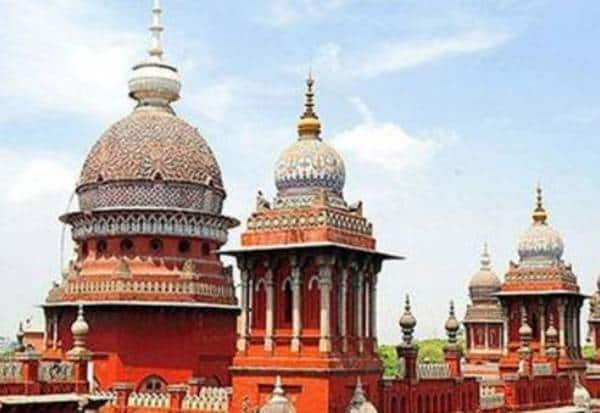
சென்னை: 'தனியார் கட்டிய கழிவு நீர் தொட்டியில் இறங்கி சுத்தம் செய்யும் போது இறப்பு ஏற்பட்டால், அதற்கு அந்த வீட்டின் உரிமையாளர் தான் பொறுப்பேற்று, பாதிக்கப்பட்டவர் குடும்பத்துக்கு இழப்பீடு வழங்க வேண்டும்' என, சென்னை உயர் நீதிமன்றம் உத்தரவிட்டுள்ளது.

சென்னை, விநாயகபுரத்தை சேர்ந்த யோகேஷ் என்பவர் தாக்கல் செய்த மனு:

விநாயகபுரம் பகுதியில், கழிவு நீர் இணைப்பு இல்லை. சென்னை மாநகராட்சிக்கு, பல முறை மனுக்கள் அனுப்பியும் இணைப்பு வசதி வழங்கவில்லை. இதையடுத்து, சொந்த செலவில் கழிவு நீர் தொட்டி கட்டினேன். மாநகராட்சி ஊழியர்கள், அவ்வப்போது நிரம்பிய கழிவு நீரை அகற்றுவர்.

கடந்த 2013 செப்., 30ல், மாநகராட்சி 3வது மண்டல ஊழியர்கள், வீட்டில் நிரம்பிய கழிவு நீரை அகற்றும் பணியில் ஈடுபட்டனர்.

அப்போது, மது அருந்தி இருந்த முனுசாமி என்ற ஊழியர், கழிவு நீர் தொட்டியில் திடீரென ஆழமான பகுதிக்குள் இறங்கினார். மற்ற ஊழியர்கள் அவரை காப்பாற்ற முயன்றனர்; ஆனால், முடியவில்லை.

விஷ வாயுவால் மூச்சுத்திணறி முனுசாமி இறந்த சம்பவம் குறித்து, மண்டல அதிகாரிக்கு தகவல் கொடுத்தேன். முதல் கட்டமாக கருணை அடிப்படையில், முனுசாமியின் குடும்பத்துக்கு, 55,000 ஆயிரம் இழப்பீடாக கொடுத்தேன்.

பின், முனுசாமியின் குடும்பத்துக்கு, 10 லட்சம் ரூபாய் இழப்பீடு வழங்கும்படி, சென்னை மாநகராட்சி, 3வது மண்டல அதிகாரி, 'நோட்டீஸ்' அனுப்பியுள்ளார்.

எங்கள் பகுதி முழுதும் கழிவு நீர் கால்வாய் அமைக்கப்படாததால் தான், கழிவு நீர் தொட்டி கட்டியுள்ளோம். முனுசாமியின் இறப்பு துரதிருஷ்டவசமானது. என் சொந்த பணத்தை அவரது மனைவியிடம் கொடுத்தேன்.

இந்நிலையில், முழு இழப்பீடு தொகையை வழங்கும்படி, மண்டல அதிகாரி நோட்டீஸ் அனுப்பியது விதிகளுக்கு முரணானது. எனவே, மண்டல அதிகாரி நோட்டீசை ரத்து செய்ய வேண்டும். இவ்வாறு அதில் கூறப்பட்டுள்ளது.

இம்மனுவை, நீதிபதி சி.வி.கார்த்திகேயன் விசாரித்தார். மாநகராட்சி தரப்பில் வழக்கறிஞர் ஏ.சி.மணிபாரதி ஆஜராகி, ''தனியாரின் கழிவு நீர் தொட்டியில் விபத்து ஏற்பட்டால், அதற்கு அந்த வீட்டின் உரிமையாளர் தான் பொறுப்பாவார். வீட்டு உரிமையாளர் தான் பாதிக்கப்பட்டவரின் குடும்பத்திற்கு இழப்பீடு தர வேண்டும்.

''இது தொடர்பாக, நகராட்சி நிர்வாகத் துறை அரசாணை பிறப்பித்துள்ளது. உரிய விதிகளின்படியே, மனுதாரருக்கு நோட்டீஸ் அனுப்பப்பட்டுள்ளது,'' என, வாதிட்டார்.

இதையடுத்து நீதிபதி, 'மனுதாரர் நேரடியாகவோ, மறைமுகமாகவோ ஒரு தனி நபரின் இறப்புக்கு பொறுப்பாகி உள்ளார். எனவே, உரிய விதிகளின் அடிப்படையில் தான் மாநகராட்சி நோட்டீஸ் அனுப்பியுள்ளது.

'சென்னை மாநகராட்சி இழப்பீடு தொகையை, பாதிக்கப்பட்டவரின் மனைவியிடம் கொடுத்துள்ளது. அந்த தொகையை மனுதாரரிடம் வசூலிக்க மாநகராட்சி நடவடிக்கை எடுக்கலாம்' என உத்தரவிட்டு, மனுவை தள்ளுபடி செய்தார்.

Weather disruptions cause flight delays


Weather disruptions cause flight delays

TNN | Feb 2, 2025, 03.50 AM IST

Chennai: Unfavourable weather conditions prevailing in different parts of the country impacted flight operations in Chennai on Saturday. Flights experienced delayed departures or arrivals from Dubai, Sharjah, Abu Dhabi, Delhi, Chandigarh, Kolkata, Visakhapatnam and Vijayawada.

An Air Arabia flight from Abu Dhabi with 176 passengers, scheduled to land in Chennai around 12.25 am, landed nearly two hours late. Consequently, its departure from Chennai was delayed by two hours. Two other Air Arabia flights from Sharjah and Abu Dhabi were also delayed by about 30 minutes, delaying return flights.

An Air India Express flight from Pune landed in Chennai six hours late on Saturday. Eleven flights experienced delayed departures by up to two hours.

Airport sources said poor visibility at several airports hampered flight operations, and Chennai airport felt the impact as the calculated take-off time of different flights went awry. tnn

Auto drivers’ boycott of Ola, Uber sees weak response


Auto drivers’ boycott of Ola, Uber sees weak response

TNN | Feb 2, 2025, 03.50 AM IST

Chennai: The confederation of auto drivers’ unions’ call for an indefinite boycott of Ola and Uber fell flat on the first day, even as support grew for alternative subscription-based platforms such as Namma Yatri and Rapido. Despite the unions’ push for drivers to unsubscribe from major ride-hailing apps, Ola and Uber autos remained widely available, with little visible impact on operations.

Earlier this week, the confederation had urged its 10,000 affiliated auto drivers to stop using app-based aggregators from Saturday, citing high commission charges ranging from 25 to 40 per cent. The unions said these deductions significantly reduced drivers’ take-home earnings, making it unsustainable for many to continue working under these platforms. However, the expected mass withdrawal did not materialize. Commuters continued to find autos through Ola and Uber within two to four minutes throughout the day, and surge pricing remained active, fluctuating between 50 and 100 per cent above standard fares.

Meanwhile, a section of auto drivers participating in the protest shifted to alternate platforms such as Namma Yatri and Auto Na, saying that these services offered more transparent fare structures with only fixed subscription fees and no commissions. According to the confederation’s coordinator, A Zahir Hussain, drivers on these platforms adhered to pre-determined fare charts, charging a base fare of 50 for the first 1.8 km and 18 per additional km, without imposing surge pricing. He said that around 5,000 trips were completed on Saturday through these two apps alone.

Hussain said the confederation had not enforced the boycott with coercion but had instead engaged with drivers to make them aware of the financial strain caused by aggregator commissions.

Authorities kept a close watch on the situation, with police conducting checks in the morning to monitor any irregularities. However, no cases were registered regarding excessive fares.

NEWS TODAY 27.01.2026