Thursday, September 13, 2018

மாநில செய்திகள்

“ராஜீவ்காந்தி கொலை வழக்கில் 7 பேரை விடுவிக்க கூடாது” குண்டு வெடிப்பில் உயிர்தப்பிய முன்னாள் பெண் போலீஸ் அதிகாரி எதிர்ப்பு
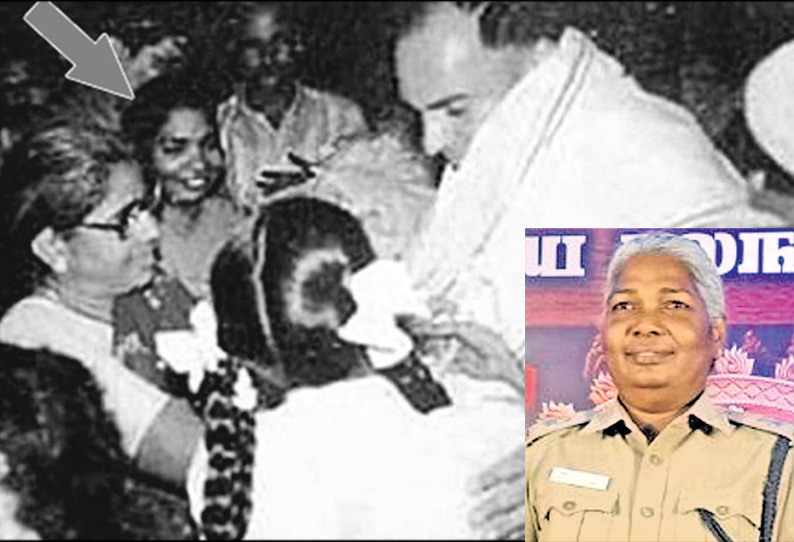


“ராஜீவ்காந்தி கொலை வழக்கில் 7 பேரை விடுவிக்க கூடாது”, என 1991-ம் ஆண்டு நடந்த குண்டு வெடிப்பில் உயிர் தப்பிய முன்னாள் பெண் போலீஸ் அதிகாரி எதிர்ப்பு தெரிவித்து உள்ளார்.

பதிவு: செப்டம்பர் 13, 2018 05:15 AM

சென்னை,

முன்னாள் பிரதமர் ராஜீவ்காந்தி தேர்தல் பிரசாரத்துக்காக கடந்த 1991-ம் ஆண்டு மே 21-ந்தேதி ஸ்ரீபெரும்புதூர் வந்தார். அப்போது அவர் குண்டு வெடிப்பில் பலியானார். இதில் போலீஸ் அதிகாரிகள் உள்பட 14 பேர் உயிரிழந்தனர். இந்த சம்பவம் நாட்டையே உலுக்கியது. இந்த படுகொலை சம்பவத்தில் குற்றவாளிகளாக நளினி, பேரறிவாளன், சாந்தன் உள்பட 7 பேர் கைது செய்யப்பட்டு, கடந்த 27 ஆண்டுகளாக சிறையில் உள்ளனர்.

இந்த படுகொலை சம்பவத்தின்போது ராஜீவ்காந்தி அருகே பாதுகாப்பு பணியில் ஈடுபட்டிருந்த காஞ்சீபுரம் மகளிர் காவல் நிலைய சப்-இன்ஸ்பெக்டர் (அப்போது பணியாற்றியவர்) அனுசியா டெய்சியும் படுகாயம் அடைந்து உயிர் பிழைத்தார். தற்போது அவர் கூடுதல் போலீஸ் சூப்பிரண்டாக (விழுப்புரம்) பணியாற்றி ஓய்வு பெற்றிருக்கிறார்.

ராஜீவ்காந்தி கொலை வழக்கில் 7 பேரை விடுதலை செய்ய தமிழக அரசு எடுக்கும் முயற்சிக்கு, அவர் எதிர்ப்பு தெரிவித்து உள்ளார். இதுதொடர்பாக அனுசியா டெய்சி ‘தினத்தந்தி’ நிருபரிடம் கூறியதாவது:-

1991-ம் ஆண்டு மே 21-ந் தேதி என் வாழ்நாளின் மிகப்பெரிய கருப்பு நாள் ஆகும். இந்த தினத்தை மறக்க நான் ஒவ்வொரு நாளும் முயற்சித்தாலும், என்னால் முடியவில்லை. அழுகையை அடக்கிக்கொண்டே கனத்த இதயத்துடன் என் காவல் பணியை நிறைவு செய்துவிட்டேன். இருந்தாலும் வேதனையை சுமந்தபடி என் சோகத்தை பகிர்கிறேன்.

அன்றைய தினம், முன்னாள் பிரதமராக இருந்த ராஜீவ்காந்தி, தேர்தல் பிரசார கூட்டத்தில் பங்கேற்பதற்காக ஸ்ரீபெரும்புதூர் வந்திருந்தார். அப்போது மக்கள் கூட்டத்தில் இருந்து, குறிப்பாக பெண்களை கூட்டத்தை கட்டுப் படுத்தும் நோக்கில் என்னை பாதுகாப்பு அதிகாரியாக நியமித்திருந்தனர். என் தலைமையில் 10 பெண் போலீசார் ராஜீவ்காந்தியை பெண்கள் கூட்டம் நெருங்கவிடாமல் பார்த்துக்கொண்டு இருந்தோம். நான் ராஜீவ்காந்திக்கு மிக அருகில் நின்றுகொண்டிருந்தேன்.

கூட்டத்தை கட்டுப்படுத்த முடியாமல் ஒருகட்டத்தில் நான் தடுமாறி விழப்போனேன். அப்போது ராஜீவ்காந்தி என்னை பார்த்து, ‘பீ ரிலாக்ஸ்’ (பதற்றம் வேண்டாம்) என்று கூறினார். நான் புன்னகைத்தேன். அப்போது ஒரு சிறுமி இந்தியில் ஏதோ அவரிடம் பேச, அதை ராஜீவ்காந்தி உன்னிப்பாக கேட்டுக்கொண்டு இருந்தார்.

அந்தசமயம் திடீரென்று ஒரு பயங்கர சத்தம் கேட்டது. அடுத்த நொடி என் உடம்பில் எதேதோ துளைத்துக்கொண்டு போனது. அதேவேகத்தில் நான் தூக்கி எறியப்பட்டேன். என் உடலின் இடதுபுறம் முழுவதும் சிதைந்தன. என் கையில் 3 விரல்கள் காணவில்லை. முடிகள் அனைத்துமே கருகிவிட்டன. வெடிகுண்டு வெடித்ததில் அதன் ரவைகள் என் உடலை துளைத்து சிதைத்திருந்தன. ஆனாலும் என் உயிர் என்னை விட்டு பிரியாமல் இருந்தது. அப்போது என்னை சிலர் தூக்கிக்கொண்டு ஓடினார்கள். மயக்கம் அடைந்த நான், கண்விழித்தபோது ஆஸ்பத்திரியில் இருந்தேன்.

அவ்வப்போது சிகிச்சைகள் அளிக்கப்பட்டு என் உடலில் இருந்த குண்டின் ரவைகள் அகற்றப்பட்டன. என் மார்பு பகுதி முழுவதும் கரித்துண்டாய் மாறிப்போனதை நினைத்து நினைத்து அழுதேன்.

சுமார் 3 மாதம் வரை சிகிச்சையில் இருந்தேன். சிகிச்சைக்கு பிறகும் வலி என்னை பாடாய் படுத்தியது. இருந்தாலும் நான் நேசித்த காவல் பணி என்னை விட்டு போகக்கூடாது என்பதால், மீண்டும் காவல் பணிக்கு உடனடியாக திரும்பினேன். என் உழைப்பு, என் நம்பிக்கை எனக்கு பதவி உயர்வை தந்தது. நாகையில் மதுவிலக்கு கூடுதல் போலீஸ் சூப்பிரண்டு, 2 வருடம் தலைமையக பணி, ஒரு வருடம் விழுப்புரத்தில் பெண்களுக்கு எதிரான குற்றங்கள் விசாரணை பிரிவு கூடுதல் போலீஸ் சூப்பிரண்டாக பணியாற்றி, கடந்த மே மாதம் ஓய்வு பெற்றேன்.

தற்போது நளினி உள்பட 7 பேரை விடுதலை செய்ய தமிழக அரசு துடிப்பதையும், அரசியல் கட்சிகள் போராடுவதையும் பார்க்கும்போது என் நெஞ்சு கொதிக்கிறது. இவர் களை விடுதலை செய்ய நியாயமான காரணத்தை யாராவது சொல்லமுடியுமா? ‘இத்தனை ஆண்டுகள் சிறையில் கழித்துவிட்டார்கள், பாவம்’, என்று பேசுபவர்கள், என்னை போன்றோர் நடைபிணங்களாய் வாழ்வதை நினைத்து பார்க்காதது ஏன்?

இவர்களை விடுவிக்கட்டும், ஆனால் இவர்களால் செத்துமடிந்த அத்தனை பேருக்கும் உயிர் கொடுத்து எழுப்பிட முடியுமா? என் கை திரும்ப எனக்கு கிடைக்குமா? இந்த நாட்டில் பிறந்ததற்கு, நேர்மையான காவல்பணி செய்ததற்கு இதுபோன்ற வருத்தம் நிறைந்த பரிசுகள் கிடைக்கவேண்டுமா? ஒரு தேச தலைவரை, அப்பாவி மக்களை குண்டு வைத்து கொன்ற பாவிகளை விடுதலை செய்து நடமாட வைக்க இந்த அரசு நினைக்கிறதா? இதற்கு மக்கள் துணைபோகிறார்களா? குற்றவாளிகளுக்கு பரிதாபமும், சாதகமான தீர்ப்பும் கிடைத்துவிட்டால் அது நீதி ஆகாது.

தற்போது அரசியலுக்காக யார் வேண்டுமானாலும், எதை வேண்டுமானாலும் பேசிவிடலாம். ஆனால் காயத்தின் சுவட்டை இன்னமும் சுமந்து கொண்டிருக்கும் என் போன்றோரின் கண்ணீருக்கு யாருமே பதில் சொல்லிவிட முடியாது. குற்றத்துக்கு தண்டனை நிச்சயம் கிடைக்கவேண்டும். செய்த தவறை நினைத்து நினைத்து சம்பந்தப்பட்டோர் வருந்தவேண்டும்.

இதற்கு முன்பு நான் அரசு பணியில் இருந்தேன். அதனால் என் கடமைக்கு கட்டுபட்டு நான் எதுவும் பேசவில்லை. இப்போது நான் பணியில் இல்லை. எனவே என் வேதனையை தெரிவிக்கிறேன். நளினி உள்பட அந்த 7 குற்றவாளிகள் வெளியே வரக்கூடாது. அவர்களை விடுதலை செய்யக்கூடாது.

இவ்வாறு அவர் கூறினார்.
HC confirms judicial officer’s retirement

CHENNAI, SEPTEMBER 13, 2018 00:00 IST

His conduct in the court was assessed to be poor

The Madras High Court has confirmed the compulsory retirement of a judicial officer because his conduct inside as well as outside the court was assessed to be either poor or bad and his reputation with respect to honesty, integrity and impartiality was assessed to be either doubtful or poor in the annual confidential reports (ACR).

Dismissing a writ petition filed by S. Murugadoss who was serving as the IV Assistant Judge in the City Civil Court here at the time of his compulsory retirement at the age of 50, a Division Bench of Justices M. Venugopal and M. Nirmal Kumar held that there were good and sufficient reasons for having forced him to retire.

“To secure efficiency in public service and to preserve honesty and integrity among the serving judicial officers, the inefficient/deadwood or dishonest person can be retired compulsorily... When the performance of an employee is unsatisfactory, it is detrimental or prejudicial to the interest of the institution,” the Bench observed.

Authoring the judgment, the senior judge in the Bench also said that the powers vested on the High Court judges to make entries in the ACR of subordinate judicial officers would not only help in keeping a vigil over the performance of the members of the subordinate judiciary but also assist in shaping the career of the judicial officers. In so far as the history of the present case was concerned, Mr. Justice Venugopal pointed out that the writ petitioner had joined the Tamil Nadu State Judicial Service as a Civil Judge (Junior Division) in 1995 and got promoted to the Senior Division in 2007.

However, his performance was assessed to be poor/bad in 2004 and 2006.

Full court’s approval

The Administrative Committee of the High Court comprising top seven judges met on April 23, 2009, and decided that he should not be allowed to continue in service. The decision was approved in the full court (all judges) meeting held on March 11, 2010, when the petitioner had undergone a renal transplantation.

When the full court resolution was forwarded to the government for issuing a G.O., the latter called for materials based on which a decision was taken to retire the petitioner compulsorily. However, the Registrar General refused to part with the materials on the ground that the government could not review the decision of the full court. Hence, a G.O. was issued on September 5, 2011, retiring the petitioner from service compulsorily with effect from November 1, 2011.
No prima facie case of corruption made out against CM, says 
DVAC

CHENNAI, SEPTEMBER 13, 2018 00:00 IST


Marriage between parties no reason to book case: AG

The Directorate of Vigilance and Anti-Corruption (DVAC) on Wednesday told the Madras High Court that a complaint by DMK organising secretary R.S. Bharathi “does not show, on the face of it, a prima facie case of cognisable offence” for the registration of a First Information Report against Chief Minister Edappadi K. Palaniswami.

Appearing before Justice A.D. Jagadish Chandira, Advocate General Vijay Narayan said the Chief Minister’s son P. Mithun got married only in 2014 whereas his in-laws were in the business of laying roads since the 1990s. They had obtained the contracts from successive governments, including the period when the DMK ruled the State, and therefore, could not be prevented all of a sudden, he said.

Opposing the DMK leader’s plea to book a case against the Chief Minister, the Advocate General said the petitioner could not level wild allegations and expect them to culminate in the registration of an FIR, especially when the DVAC had already conducted a thorough preliminary inquiry.

Asserting that no cognisable offence had been made out, he said: “A marriage between two parties is not a cognisable offence. Awarding contracts is not a cognisable offence.”

He went on to add that the petitioner’s plea had actually become infructuous since the DVAC had completed its preliminary inquiry and submitted a report to its Director (an officer in the rank of Additional Director General of Police) as well as the Vigilance Commissioner (a post held by a senior Indian Administrative Service officer) on August 28. Now, it was up to those two officials to take a call on further course of action.

If the officials were satisfied with the report, they may accept it and drop further action. On the other hand, if they disagree with the conclusions arrived at by the investigating officer, they may send the report back with a direction to conduct a fresh inquiry, the AG said and submitted a copy of the report in a sealed cover. However, the judge chose not to open it and directed the High Court Registry to keep it in safe custody.

He, instead, directed the DVAC to file a status report, also in a sealed cover, by Monday listing out the steps taken by it on a day- to-day basis between June 13 and August 28. The direction was issued after the AG said that even if the two officials decide to drop further action, the petitioner would not be without any remedy and that he could pursue any course that was available to him under the criminal law.

In his submissions, senior counsel N.R. Elango, representing the petitioner, wondered how the preliminary inquiry could have been completed by the DVAC without even obtaining a statement from the complainant. “How can I expect this agency to come and say, yes our CM is guilty of corruption? That is the reason I have now sought for a court monitored probe by a special investigation team on my complaint,” he said.
Apple launches largest ever iPhone

Meet the largest-ever iPhone. TIMES OF INDIA 13.09.2018

Apple on Wednesday unveiled the iPhone XS, a premium model with a 5.8-inch screen, and the iPhone XS Max a new big-screen premium model with a 6.5-inch screen. The iPhone XS Max (what a mouthful!) is the company’s biggest-ever smartphone. The XS models are generally sped-up versions of last year’s iPhone X, Apple’s first $999 model. Apple emphasised the phones’ advanced processor, durable glass and so-called Super Retina OLED display with a wide colour gamut. It’s obvious why Apple and other phone makers like Samsung keep increasing the size of their phone screens: Phones with bigger screens are selling well. When presented with the choice between a small phone and a bigger one, most people will go with the latter. That’s similar to how just about everyone wants a big-screen TV.

Yet for mobile phones, there are tradeoffs. For one, the phones get more difficult to use with one hand. With last year’s 5.8-inch iPhone X, it was difficult to reach your thumb across the screen to type a keystroke or hit a button inside an app. Those usability tradeoffs will probably persist in these new models.

The larger screens raise an important question about design and usability. Will Apple do much in the near future to improve one-handed use as its devices keep getting larger? When Apple’s screen sizes started getting much larger with the iPhone 6 in 2014, the company released a software shortcut called Reachability, where you tapped the home button twice to lower the top of the screen and make it easier to reach buttons up there.

That feature still exists for the brand-new iPhones, but the lack of a home button makes it more difficult to use — instead of double tapping the home button, now you swipe down from the bottom of the screen.

Apple Watch becomes more of a health device

Apple introduced a new version of its watch that it’s calling the Apple Watch Series 4, which it has designed to be more of health aid.

It’s the first time the company has redesigned the device since it was introduced in 2015. The new watch is slightly thinner than the previous version, but the black frame around the screen — what are know as the “bezels” — has been removed to create a larger display area. Significantly, Apple said the new watch has a faster processor and better health and motion sensors. For instance, the watch can detect when a wearer has fallen down, a leading cause of injuries. REUTERS


The new iPhone XS and XS Max being unveiled at the Steve Jobs Theater at Apple Park in Cupertino, California on Wednesday
Court orders ₹2cr relief to widow of doc killed on duty

Nainital:13.09.2018

The Uttarakhand high court on Wednesday directed the state government to pay compensation of ₹1,99,09,000 (one crore, ninetynine lakh and nine thousand rupees), along with interest of 7.5% per annum from the date of filing of the petition in 2017, to the widow of Dr Sunil Kumar, who was shot dead while on duty at the Community Health Centre (CHC) in Jaspur in Udham Singh Nagar district on April 20, 2016.

The high court also awarded “extraordinary pension” to the petitioner Sarita Singh as per the provisions of the Uttar Pradesh Civil Services (Extraordinary Pension) (First Amendment) Rules, 1981, as adopted by Uttarakhand, within 10 weeks, along with arrears at the rate of 8.5% interest per annum.

The division bench of acting Chief Justice Rajiv Sharma and Justice Manoj Kumar Tiwari also ordered that the provisions of the ‘Uttarakhand Medicare Service Persons and Institutions (Prevention of Violence and Damage to Property) Act, 2013’, be enforced in letter and spirit.

The order was reserved on September 8 and a certified copy was released on Wednesday. The high court also observed that the deceased, whose last drawn salary was ₹1,27,300, was due for promotion to the post of chief medical officer (CMO) and his salary would have increased to ₹1,91,000 thereafter. TNN
Govt docs to go on strike for pay hike on Sept 21
TIMES NEWS NETWORK

Chennai:13.09.2018

Government doctors will boycott working barring emergency services across the state on September 21 if the government does not hike their salaries on par with their counterparts at the Centre.

On Wednesday, more than 3,000 government doctors — including many heads of departments and senior professors — marched from Chepauk to St Fort George holding placards, posters and banners demanding better pay. They handed over a memorandum to the chief minister Edappadi K Palaniswami’s office explaining the difference in pay between the Central and state government doctors.

Government doctors, who teach in medical colleges and carry out patient services, are paid less than teachers in state-run veterinary, agriculture and arts and science colleges, the joint action committee of Government Doctors Association said. Government doctors get their first pay band revision in their eight year of service and have to wait till 15th year for promotions. “For nearly a decade now, we have been demanding for pay parity with Central government doctors and time-bound promotions. We have held talks with the health department and finance department. We were told that the health department will make recommendations to the finance, nothing happened,” said JAC-GDA head Dr K Senthil.

The basic salary for doctors in state and central services is the same when they join duty, but doctors in central government services receive promotions in four, nine, 13 and 20 years, compared to eight, 15, 17 and 20 years in the state government, he said.

For nearly a month, government doctors have been boycotting classes, skipping routine meetings and audits, and have not been updating their daily reports. “Nevertheless, we did not stop patient services. We expected government to give us a favourable reply. We are now forced to declare one day strike,” said Dr A Ramalingam.

On September 21, doctors from all government hospitals from primary health centre to medical colleges will boycott OP services and elective surgeries.


Government doctors protesting demanding pay hike on Wednesday
Centre bans Saridon, 327 other combination drugs
6,000 Brands Likely To Be Affected

TIMES NEWS NETWORK

The health ministry has banned the manufacture, sale and distribution of 328 fixed dose combinations (FDCs) of drugs with immediate effect and restricted another

six. This brings to an end a protracted legal battle between manufacturers of these combination drugs and the ministry, which has been working since 2016 to get these “irrational” and “unsafe” drugs banned.

Among the roughly 6,000 brands estimated to be affected by the ban are popular drugs like the painkiller Saridon, skin cream Panderm, combination diabetes drug Gluconorm PG, antibiotic Lupidiclox and antibacterial Taxim AZ.

The government had banned 344 FDCs on March 10, 2016 and later added five more to this list. However, manufacturers of these drugs contested the ban in various high courts and the Supreme Court. The SC on December 15, 2017 asked for the matter to be examined by the Drugs Technical Advisory Board. DTAB concluded in its report that there was no therapeutic justification for the ingredients in 328 FDCs and that these could be a risk to people. The board recommended banning them.

In the case of six other FDCs, the board recommended restricted manufacture and sale subject to certain conditions based on their therapeutic justification. The SC ruled that the government could not use the DTAB report to prohibit 15 of the 344 drugs in the original list as these have been manufactured in India since before 1988.


‘Banned FDCs account for about ₹2,500 crore & only tip of the iceberg’

This exception covered several popular cough syrups, painkillers and cold medication with sales amounting to over ₹740 crore annually. However, the court told the ministry that it could still look into the safety of these 15 drugs by initiating a fresh investigation if it wanted to ban them.

The All India Drug Action Network, a civil society group working on safety and access to medicines which was one of the petitioners in the Supreme Court case, welcomed the ban and sought swift action from the government on the 15 excluded FDCs. “The banned FDCs account for about ₹2,500 crore and represent only the tip of the iceberg. In our estimate, the market for unsafe, problematic FDCs in India is at least one-fourth of the total pharma market which is valued at ₹1.3 trillion,” said AIDAN in a statement. It also sought a review of all FDCs in the market in the interest of patient safety as recommended by the Kokate Committee, constituted by the health ministry to examine FDCs.

Meanwhile, many large drug companies have claimed that over the last couple of years they have either phased out such drugs or changed the combination. The FDCs in question are less than 2%, they claim.

NEWS TODAY 01.07.2026