Showing posts with label DOCTORS OTHER STATES. Show all posts

Friday, November 28, 2025

SC orders all-India audit of pvt & deemed universities Focus On Structural Opacity & Examining Role Of Regulatory Bodies

SC orders all-India audit of pvt & deemed universities Focus On Structural Opacity & Examining Role Of Regulatory Bodies
 
Manash.Gohain@timesofindia.com New Delhi : 28.11.2025

Supreme Court has ordered an unprecedented nationwide audit of all private and deemed universities, transforming a student grievance into a deep scrutiny of India’s sprawling higher education sector. In a sweeping directive, apex court has asked Centre, all states and UTs, and University Grants Commission (UGC) to submit personally sworn affidavits disclosing how these institutions were set up, who governs them, what regulatory approvals they hold, and whether they truly function on a notfor-profit basis. 

The move comes in response to a petition filed by a student of Amity University, Ayesha Jain, who alleged the institution harassed and barred her from attending classes after she legally changed her name. What began as a single case of administrative apathy has now turned into a judicial inquisition into the governance and financial practices of the entire private university ecosystem. 

Supreme Court’s focus is clear — expose the structural opacity and examine whether regulatory bodies like UGC have adequately performed their role. Past interventions show this isn’t unfamiliar terrain. In 2005, the court struck down Chhattisgarh Private Universities Act that had allowed over 100 shell institutions to operate without basic academic infrastructure. 

In 2009, a central review found 44 deemed universities unfit for their status due to poor academic and governance standards. In 2017, a Supreme Court verdict invalidated engineering degrees awarded via unapproved distance mode by deemed universities and barred them from conducting such courses without clear regulatory approval. This current review cuts deeper. It questions how private universities acquire land, appoint leadership, handle finances, and whether they have credible grievance redressal mechanisms.

 The demand for personal accountability — from chief secretaries to the UGC chairperson — signals judicial impatience with the status quo. A UGC official, on condition of anonymity, acknowledged: “There have been longstanding compliance gaps. This is a chance to restore public trust.” The official added that in the current case, the commission “in fact recommended the university to consider the name change request”. 

Private universities, many of which operate under different state and central laws, are rattled. “This is a sweeping brush,” said a vice chancellor of a reputed state private university. “We support transparency, but we also fear being tarred with the same brush as a few errant institutions.” Observers see timing in the court’s action. Higher Education Commission of India (HECI) Bill, intended to overhaul regulation and merge UGC, AICTE, and others under one roof, is expected in the upcoming Parliament session.


 “An issue concerning a private university legislated by state law is now expanded to rope in all private deemed universities governed by separate regulations under a central law. In a similar exercise, in 2017 in the case of Orissa Lift case, an issue concerning four deemed universities affected all in an irreversible manner. With HECI round the corner, it is hoped that the present issue finds a policy solution through HECI Bill,” said an academic policy expert.

Thursday, November 27, 2025

Scalpel losing edge: Few medical grads opt for surgery

Scalpel losing edge: Few medical grads opt for surgery 


Anuja.Jaiswal@timesofindia.com 

New Delhi : India’s top-performing medical graduates have made their preference clear in this year’s NEET-PG counselling — career stability is trumping the operating table. In the first round of NEET-PG 2025, medicine and radiology dominated choices among high-rankers while general surgery saw one of its steepest drops in recent years, reflecting growing concerns over stress, long training pathways and mounting medico-legal pressures. 

Among the first 1,500 candidates, 632 (42%) chose MD General Medicine and 447 (30%) opted for MD Radiodiagnosis. Only 99 students (6.6%) selected MS General Surgery, indicating a widening shift away from high-risk procedural fields. A strong preference for Delhi also emerged, with six of the top 10 candidates choosing Dr Ram Manohar Lohia Hospital. 

Dr Neeraj Nischal from the department of medicine at AIIMS said, “MD Medicine is the gateway to almost all superspecialities, so it has always been in high demand. Students feel diagnostics offers a more controlled work life, though that may not always be true.” The fall in interest for surgery, senior clinicians say, is rooted in deeper anxieties. “Surgical branches are very demanding — you need passion. Otherwise, burnout is inevitable,” Dr Nischal said. 

Surgeons themselves acknowledge that the field has steadily lost appeal. “It takes much longer to settle down because general surgery is only the first step — you usually need to super-specialise in neurosurgery, cardiac surgery, urology or paediatric surgery,” said Dr Piyush Ranjan from AIIMS surgery department.

Saturday, November 22, 2025

Hidden costs increase PG medical course fee past ₹16 lakh cap at universities in TN UPTO ₹75 LA YEAR

Hidden costs increase PG medical course fee past ₹16 lakh cap at universities in TN UPTO ₹75 LA YEAR 

TIMES NEWS NETWORK  22.11.2025

Chennai : Deemed universities across Tamil Nadu have increased tuition fees for postgraduate medical courses, with some setting it at ₹75 lakh a year, taking the threeyear fee tally for highdemand clinical courses to ₹2.2 crore. Health department officials said attempts to cap the fee according to Madras high court’s direction failed, as matters are pending in court. While deemed universities display the total fee on their admission brochures, self-financing medical colleges and state private medical universities conceal it. 

The fee-fixation committee capped the 2025 tuition fee for clinical and non-clinical courses at ₹16 lakh towards tuition fees at selffinancing colleges. But candidates say they are asked to pay up to ₹35 lakh, citing rising costs of hospital operations, hostel maintenance, mess, and transport costs. “We won’t know the cost until we go to the colleges with allotment letters,” said a doctor waiting for admissions to a postgraduate course. Directorate of medical education officials say this happened in undergraduate education in 2025. At least 50 undergraduate medical students, who were allotted seats in self-financing medical colleges and state private universities in 2025, have written to the state selection committee complaining that colleges are demanding higher fees, officials said. “There is no syntax. I was asked to pay ₹8 lakh more by the committee for management quota in one college during my son’s admission. My friend was asked to pay ₹10 lakh in another college,” said Shankar R. They paid the fees not just because they could afford it, but also because they did not want to forfeit deposits in the third round.

 While in the first two rounds of counselling, students are allowed a “free exit” where they are not punished for not taking the seat allotted to them, students must forfeit the security deposit of ₹1.3 lakh. If they download admit cards, they lose the first-year tuition fee of ₹16 lakh. Despite this, candidates withdrew from the third round. “One candidate was confident of taking the seat. He downloaded the admit card after paying ₹15 lakh. When they went to the college, they were asked to pay ₹8 lakh more. Nowhere was this fee mentioned. 


They have no budget,” said student counsellor Manickavel Arumugam. “Sometimes it seems like the deemed university method is better as there is no hidden fee. Parents opt for it if they can afford it,” he said. The family, he said, has filed a complaint with the selection committee for violation of fee committee norms. Directorate of medical education officials said they will forward complaints to the fee committee headed by Justice R Pongaiappan. On Thursday, the judge told TOI that according to the GO, his term has ended. “The complaints will be dealt with by my successor,” he said. Parents are upset. “By the time they appoint a new committee, this admission season would have ended,” said Saravanakumar K, a parent.

Wednesday, November 12, 2025

Govt doctors protest redeployment, demand more appointments in TN

Govt doctors protest redeployment, demand more appointments in TN 

TIMES NEWS NETWORK 12.11.2025


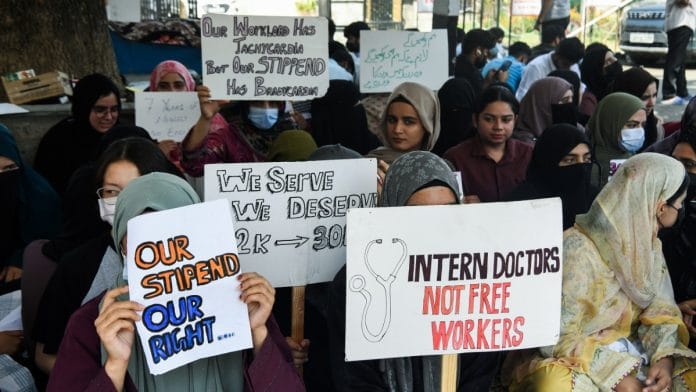
Chennai : Govt doctors across the state on Tuesday held a protest, wearing black badges, raising slogans, and distributing pamphlets asking health department to appoint more doctors instead of redeploying them and forcing post-graduate medical students to work. “The govt has not created posts for newly opened hospitals in several places,” said govt doctors’ association president Dr K Senthil. “No doctors, nurses, or staff were appointed to run these hospitals. Doctors are forced to do double duty and this drastically affects patient care,” he said. While this has been happening for nearly two years, the trigger for Tuesday’s protest was a Nov 4 circular from the director of medical education Dr Suganthy Rajakumari asking deans of medical colleges to direct junior residents to attend transfer counselling. “Officials said a proposal was sent to remove the post of junior residents for service doctors. Post-graduate medical students will work as junior residents and qualified PG doctors will be moved to posts in newer hospitals. How can students take the place of doctors,” asked service and post graduate doctors association general secretary Dr A Ramalingam. Dr Suganthy Rajakumari said the govt was looking at relocating doctors from some medical colleges. “We are looking at increasing 500 PG seats in govt colleges. Staff from some hospitals are being relocated and posted as assistant professors so we fulfil basic requirements of the National Medical Commission,” she said. Deans have been asked to ensure staff strength in all hospitals meets norms prescribed by NMC. “If that is the case, bed strength should be 250, not 750 or 1,000,” said Dr Ramalingam. “Bed strength and outpatient flow have been increasing at all hospitals. The govt must increase strength, not decrease. Doctors treat patients, not beds or buildings,” he said. Doctors’ associations said there are about 12,000 doctors in govt medical colleges as against a requirement of 24,000. In addition to teaching and treating patients, doctors are forced to work in health camps, attend VIP convoy duty, sit for a medical board, and do court duties, said democratic govt doctors association president Dr P Balakrishnan.

Monday, November 10, 2025

Docs warn against relying on AI tools for med advice

Docs warn against relying on AI tools for med advice 

Ajay.Tomar@timesofindia.com 10.11.2025


Hyderabad : Doctors in Hyderabad have cautioned people against relying solely on artificial intelligence (AI) tools such as ChatGPT for medical advice. They emphasised that patients, especially those with chronic or serious health conditions, must always consult a qualified healthcare professional before making any changes to medication, diet, or treatment plans. 

The warning comes after at least two alarming incidents were recently reported in the city. In the first case, a 30-year old woman who had undergone a kidney transplant under the Jeevandan programme at the Nizam's Institute of Medical Sciences (NIMS) lost her transplanted kidney after discontinuing her prescribed antibiotics based on ChatGPT’s suggestion.

 “The woman, who had been on dialysis for seven years before the transplant, reportedly stopped all her medication after ChatGPT told her that since her creatinine levels were normal, she no longer needed the drugs,” said Dr Sree Bhushan Raju, senior nephrologist, NIMS. 

Within weeks, her condition deteriorated, and her creatinine levels spiked again. She eventually required surgery and had to be put back on dialysis before being discharged recently. “We are seeing a worrying trend where even educated patients are relying on AI-generated advice instead of consulting doctors,” said Dr Mohd Taif, another senior nephrologist. 

Similar patterns Doctors said similar patterns are being noticed among the elderly as well, with many seeking advice on medicines or dosage changes from ChatGPT despite being advised otherwise by their doctors. “This over-reliance on AI is becoming a dangerous habit,” said Dr Taif. In another incident, a 62year-old diabetic man from the city suffered sudden weight loss and dangerously low sodium levels after following a diet plan suggested by ChatGPT. 

The AI tool had advised him to completely reduce salt intake, which proved harmful given his pre-existing condition. “These incidents show that while AI can provide general information, it lacks the clinical judgment and contextual understanding that a trained doctor brings,” said Dr K Rakesh, a senior govt nephrologist. 

In Aug this year, a 60-year-old man from New York was reportedly hospitalised after following a ChatGPTgenerated diet plan that advised him to replace all table salt (sodium chloride) with sodium bromide, a toxic substance. “People are starting to believe that ChatGPT is superior to doctors, but no AI can match the intellect, intuition, and experience of a medical professional,” said Dr Raju.

Sunday, November 9, 2025

Doc’s post against clerical staff exposes deep-rooted corruption in health dept

Doc’s post against clerical staff exposes deep-rooted corruption in health dept

 Pushpa.Narayan@timesofindia.com 09.11.2025

Chennai : A social media post by urologist Dr Jaison Philip accusing clerical staff in the state health department of corruption went viral on Saturday. This prompted associations of govt doctors, who rallied behind him, to say corruption and maladministration have affected not only their salaries and promotions but also patient care in govt hospitals across the state. 

Dr Philip, who works at Madras Medical College, posted an image of his payslip, saying he was receiving a gross salary of ₹1.6 lakh instead of at least ₹2.5 lakh because of ‘clerical corruption’. “As a rule, I never give bribes, so I suffer,” he wrote. Later, he added that “topmost powerful bureaucrats met/rang me and talked kindly. They said they will ensure anomalies will be corrected and justice done.” This, however, is not Dr Philip’s first such allegation. In Sept, he said that clerical staff at Government Royapettah Hospital — a clerk and an office superintendent — demanded bribes of ₹1,000 and ₹2,000, respectively, to forward his service register after his transfer to Madras Medical College. 

He claimed he faced such harassment from clerks in the health department for nearly three decades. Following his post, health minister Ma Subramanian promised action, and some staff were transferred. On Saturday, several associations of govt doctors said corruption and maladministration in the department affected beyond delayed salaries. 

They cited instances of long-pending settlements for doctors who died in service and delays in processing pensions for those retiring. While the family of a doctor who died in 2014 is still awaiting settlement, another doctor who retired in Feb 2024 is waiting for the admin department to forward his papers for the rollout of a monthly pension. Service doctors and postgraduates association blamed the heads of institutions for failing to ensure the timely disbursement of payments to faculty and postgraduate doctors. “There are no regular grievance meetings to resolve issues in a time-bound manner. Deans themselves complain of pending salaries when we raise such matters,” said the association’s state organizing secretary Dr A Ramalingam.

Wednesday, November 5, 2025

2-min scan at govt hosp for ₹500 helps detect heart disease

2-min scan at govt hosp for ₹500 helps detect heart disease

 Ramyasre.N@timesofindia.com 05.11.2025

Chennai : If you're under 40, have pre-existing health conditions and feel a slight discomfort around your heart, doctors now recommend a quick two-minute CT scan. The non-invasive diagnostic test that uses CT imaging to detect and measure calcium deposits in the heart vessels. This can help evaluate the risk of coronary artery disease and heart attacks. 

The department of radiology at the TN Government Multi Super Speciality Hospital launched the facility recently. The scan is priced at ₹500, while its equivalent in private hospitals costs at least three times more. A calcium score below 100 is normal, 100-400 indicates mild risk, and above 400 signals severe disease needing immediate care. “The calcium scan is a preliminary test and can be followed by ECG, ECHO, or coronary angiogram for detailed diagnosis,” said Dr J Chezhian, head of radiology. 


The test, previously done on a need basis, was made a standalone service for two reasons, says head of cardiology Dr Mary Majella: “It helps patients who can’t undergo treadmill tests due to disability or hypertension. Also, we’ve seen a sharp rise in heart disease after COVID.” A five-year study from 2018 to 2023 by the hospital’s cardiology department found 10,842 cases of serious coronary disease, including 2,457 patients aged between 18 and 45. “Before COVID, around 300 young patients were reported each year. In 2021, it rose to 480, and in 2022, to 564,” said Dr Majella. Patients are already visiting from outside TN. “In Tirupati, I was quoted ₹7,000 for the same test. Here, including travel, I spent less than ₹2,000,” said one patient

Sunday, November 2, 2025

Who can teach in India’s medical colleges? NMC’s new rules redraw the faculty line


Who can teach in India’s medical colleges? NMC’s new rules redraw the faculty line 

The National Medical Commission (NMC) has issued detailed clarifications on the Medical Institutions (Qualifications of Faculty) Regulations, 2025, effective June 30. The FAQs outline eligibility norms for Senior Consultants, Professors, Associate Professors, and Assistant Professors, addressing experience criteria, transitional provisions, and equivalence across specialties to ensure uniform, transparent, and merit-based faculty recruitment nationwide.

TOI Education

Nov 1, 2025, 14:03 IST

Who can teach in India’s medical colleges? NMC’s new rules redraw the faculty line 

The National Medical Commission (NMC) on Friday released detailed clarifications responding to stakeholder queries over the recently notified Medical Institutions (Qualifications of Faculty) Regulations, 2025, which came into force on 30 June 2025. In an official communication, the Post Graduate Medical Education Board (PGMEB) under the NMC stated that several stakeholders had sought clarity on provisions related to eligibility, experience, and recognition of faculty designations during the transition phase. 

The Commission has now released a set of Frequently Asked Questions (FAQs), providing point-by-point explanations to ensure uniform interpretation and compliance. Applicability and transitional provisions The regulations are effective from the date of their publication, June 30, 2025. During the transition period, the NMC will recognise continuous, full-time experience of three years in specific institutions and departments dedicated to new specialties. Eligible experience will include: Full-time work in departments of NMC-recognised medical colleges or teaching medical institutions with dedicated infrastructure for the new specialty.

Tenure at nationally recognised institutions such as AIIMS, PGIMER Chandigarh, NIMHANS Bengaluru, JIPMER Puducherry, and Sree Chitra Tirunal Institute, Thiruvananthapuram. Experience in NBEMS-accredited institutes and other reputed national or international institutions approved by the NMC based on specific assessment. 

Criteria for Senior Consultant, Professor, and Associate Professor 

As per the new framework, a senior consultant will be defined as a specialist working in an NBEMS-accredited department of a government institute who meets the board’s prescribed qualifications and experience to function as a postgraduate teacher. Such candidates must also provide an official experience certificate from their institution when seeking appointment as Professor in any medical college. 

To qualify as a Professor, an individual must have at least three years of postgraduate teaching experience after becoming eligible as a Senior Consultant and PG teacher in the same specialty. Similarly, those with cumulative 10 years of post-PG experience in government hospitals with a capacity of at least 220 beds will be eligible for the post of Associate Professor, provided they complete the mandatory courses in medical education and biomedical research within two years of appointment. 

Assistant Professor eligibility Under Note 3(c) of Table E, any registered medical practitioner with a recognised postgraduate qualification and two years of cumulative experience in a government hospital with a minimum of 220 beds will be eligible to become an Assistant Professor, even without a prior one-year Senior Residency in a medical college. 

Additionally, diploma holders appointed as Senior Residents before June 8, 2017, can be considered for the Assistant Professor post after completing four years of experience in an NMC-recognised teaching institution. Practitioners with diploma qualifications and six years of post-diploma experience in recognised teaching medical institutions will also qualify for the role. Special provisions for emergency medicine 

In a notable provision, the NMC clarified that faculty members from General Surgery, Anaesthesia, Respiratory Medicine, Orthopaedics, and General Medicine may directly be appointed as Assistant Professor, Associate Professor, or Professor in Emergency Medicine based on their cumulative teaching experience in their respective specialties. Their prior experience will also count towards promotion to administrative posts. Super Specialty faculty equivalence 

As per the footnote of Table F, any faculty member possessing a super specialty qualification and serving in a recognised medical institution under a broad specialty department will be eligible for an equivalent position in the concerned super specialty department. Those engaged in teaching within departments that act as feeder specialities will also be considered for such appointments. Ensuring Uniform Implementation The NMC has urged all medical colleges, government hospitals, and teaching institutions to “take action accordingly” and adhere strictly to the clarified framework. 

The Commission stated that the intent of these regulations is to ensure transparency, uniformity, and merit-based faculty recruitment across India’s expanding network of medical education institutions. Officials familiar with the matter said the move comes amid a broader push to align Indian medical education standards with global best practices while ensuring career progression opportunities for qualified practitioners from government setups and NBEMS-accredited institutions. With the clarifications now in place, the NMC expects smoother implementation of the 2025 faculty qualification norms, a move widely seen as pivotal in strengthening India’s medical education and healthcare delivery ecosystem.

Tuesday, October 21, 2025

India’s medical education sees historic surge as MBBS seats reach 1,37,600: State-wise distribution here


India’s medical education sees historic surge as MBBS seats reach 1,37,600: 

State-wise distribution here 

India's medical education is transforming with a historic increase in MBBS seats and new colleges. The National Medical Commission is spearheading this expansion to boost healthcare access and train more doctors. This move is set to significantly enhance medical education infrastructure across the nation. The country is on track to meet its ambitious targets for medical seat additions.

TOI Education

Oct 20, 2025, 9:58 IST

India’s medical education sees historic surge as MBBS seats reach 1,37,600 

India’s medical education sector is witnessing an unprecedented transformation, with a historic surge in MBBS seats and new medical colleges across the country. Spearheaded by the National Medical Commission (NMC), this expansion aligns with Prime Minister Narendra Modi’s 2024 pledge to create 75,000 new medical seats over the next five years, aiming to improve healthcare access and address the persistent shortage of trained doctors.

 According to PTI, NMC Chairperson Dr. Abhijat Sheth described this growth as a major regulatory milestone, noting that, for the first time, all appeals against MARB decisions were resolved without court intervention. In a parallel move to strengthen medical education, the NMC has partnered with the Indian Council of Medical Research (ICMR) to integrate clinical research into the MBBS curriculum, boosting research infrastructure in medical colleges nationwide. India 

Latest developments In October 2025, the NMC approved 10,650 new MBBS seats and sanctioned 41 new medical colleges for the 2024–25 academic year. This raised the total number of institutions offering MBBS programs to 816 across India. Including seats under Institutes of National Importance such as AIIMS and JIPMER, India’s total MBBS seat count now stands at approximately 1,37,600. 

The approvals followed the commission receiving 170 proposals for expanding undergraduate capacity. Of these, 41 were from government colleges and 129 from private institutions. States such as Maharashtra, Tamil Nadu, Karnataka, Uttar Pradesh, and Telangana saw significant additions. 

Medical seat expansion trend over 2025 Data from the NMC and the Medical Assessment and Rating Board (MARB) indicate a steady increase in MBBS seats throughout 2025. Here is a month-by-month run down based on the MARB and NMC data: 

May 2025 The NMC began reviewing proposals for new undergraduate medical seats and institutions for the 2025–26 academic cycle. Preliminary evaluations indicated around 1,17,750 MBBS seats across 808 medical colleges, establishing the baseline for expansion. 

June and July 2025 During this period, multiple states, particularly Uttar Pradesh, Maharashtra, Tamil Nadu, and Karnataka, submitted proposals to the NMC and MARB for new colleges and capacity expansions. Review committees prioritised underserved regions, including northeastern and central Indian districts. 

August 2025 The NMC announced the first wave of inspections and renewals to finalise the seat matrix ahead of NEET-UG counselling 2025. Provisional letters of permission (LOPs) for college upgrades added approximately 1,800 to 2,000 seats nationally.

September 2025 

On September 24–26, 2025, the NMC published an updated seat matrix adding 7,075 new MBBS seats. This increased capacity from 1,17,750 to 1,24,825. The revision included both renewal approvals and newly sanctioned seats across government and private colleges, marking the start of the largest expansion phase since 2020. 

Early October 2025 Between October 10 and 13, 2025, the NMC released another seat matrix revision for NEET-UG 2025. This approved 9,075 new MBBS seats while phasing out around 456 seats due to pending lawsuits or non-compliance. The total number of MBBS seats reached 1,26,600 across 812 medical colleges. Andhra Pradesh, Tamil Nadu, Maharashtra, and Karnataka received the largest increases. 

Mid-October 2025: Record expansion announced On October 19, 2025, the NMC formally approved 10,650 new MBBS seats and 41 new medical colleges, bringing the national total to 1,37,600 seats and 816 colleges, as reported by PTI. This approval represents the largest single-year seat expansion in Indian medical education history and advances the government’s target of adding 75,000 new medical seats over five years.

State-wise expansion highlights 

The October 2025 NMC report highlights the following state-wise increases: Uttar Pradesh: Over 1,100 seats across 5 colleges 

Maharashtra: Over 950 seats across 4 colleges 

Tamil Nadu: Over 850 seats across 3 colleges 

Gujarat: Over 800 seats 

Rajasthan: Over 700 seats 

Karnataka: Over 650 seats

Madhya Pradesh: Over 600 seats 

Most of the new colleges and seat expansions are being established in tier-2 and tier-3 cities. This strategy improves geographical access to medical education and reduces regional disparities. 

The road ahead 

The NMC has indicated that further proposals for 2025–26 seat expansions are under review, with the application window opening in early November. If the current pace continues, India is likely to achieve its goal of adding 75,000 new medical seats well before 2029. This expansion represents a transformative moment for India’s medical education landscape, benefiting NEET aspirants and addressing the country’s long-term healthcare needs. 

With inputs from PTI.

Sunday, October 19, 2025

31-year-old woman’s mild urinary infection becomes a life-threatening emergency with kidney stones and septic shock; know the overlooked key signs


31-year-old woman’s mild urinary infection becomes a life-threatening emergency with kidney stones and septic shock; know the overlooked key signs

etimes.in | Oct 18, 2025, 10.21 AM IST


A routine urinary tract infection (UTI) nearly cost 31-year-old Lauren Carson her life, transforming what seemed like a minor health issue into a life-threatening emergency. Initially, Lauren experienced mild discomfort and assumed it was a typical UTI, expecting antibiotics to resolve the problem. 

However, her symptoms worsened, progressing to severe back pain and confusion, along with chills and an unusually high fever. Unbeknownst to her, the infection had caused kidney stones and triggered septic shock, a dangerous condition where the infection spreads into the bloodstream and causes organ failure. Within 24 hours, Lauren faced a critical risk of death and required emergency surgery to save her life. Her experience underscores the hidden dangers of UTIs, reminding women not to underestimate recurring infections or ignore warning signs such as fatigue, pain, or confusion.

From mild UTI to life-threatening crisis: Lauren Carson’s battle with septic shock

As reported by Ladbible, Lauren Carson, a resident of Belfast, first experienced what she believed were standard UTI symptoms in August. Like many women, she assumed it would be a straightforward infection resolved with antibiotics. She visited her GP and was prescribed a week-long course, expecting relief.

However, her symptoms did not improve. While on holiday in Mallorca, Lauren continued to feel unwell but dismissed it as fatigue from travelling and activity in a warm climate. Upon returning home, her condition worsened with severe back pain that left her unable to work. Following her GP’s advice, she went to hospital, where the severity of her condition was finally revealed.

"I thought I had strained a muscle from running, but it wasn’t that at all," Lauren recalled. The true cause of her pain was a UTI that had led to kidney stone formation. This complication went unnoticed until her infection became critical.
Lauren had developed six kidney stones, believed to be caused by the UTI. The infection escalated rapidly, sending her body into septic shock; a life-threatening response where infection spreads into the bloodstream. "I went into septic shock within six hours. My blood cell levels were dangerously high, and I couldn’t remember anything," she explained.

Lauren Carson undergoes urgent surgery

Doctors informed Lauren that she needed urgent surgery within 24 hours to remove the kidney stones and prevent further deterioration. The operation was successful, and she is now recovering.

Reflecting on her ordeal, Lauren said, "As a woman, you assume it’s just a UTI and that drinking water or cranberry juice will help. I never expected it to become something so serious."

Understanding UTIs and their risks

According to the NHS, urinary tract infections occur when bacteria enter the urinary system, including the bladder, kidneys, ureters, or urethra. Most UTIs are easily treated with antibiotics, and symptoms typically resolve within three to five days.

However, recurrent infections or delayed treatment can lead to severe complications such as kidney damage, kidney stones, and sepsis. UTIs are more common in women due to anatomical differences, which can make them more prone to bacterial infections.

Warning signs of severe infection and sepsis

Sepsis can develop rapidly and may present with the following symptoms:

Confusion or slurred speech
Pale, blotchy, or discoloured skin
Rashes that do not fade under pressure
High fever
Difficulty breathing

It’s crucial to understand that not all symptoms need to be present for sepsis to occur. Immediate medical attention is essential if a UTI worsens or does not improve with antibiotics.

பரிசோதனையும், விழிப்புணா்வும்...

DINAMANI

பரிசோதனையும், விழிப்புணா்வும்...

33 ஆண்டுகளில் புற்றுநோய் பாதிப்பு விகிதம் 26% அதிகரித்துள்ளதாக தற்போதைய ஆய்வுகள் கூறுகின்றன.

 ஐவி.நாகராஜன் Updated on: 18 அக்டோபர் 2025, 6:15 am

நம் நாட்டில் ஏற்படும் மரணங்களுக்கான முதல் 5 காரணங்களில் புற்றுநோயும் ஒன்றாக இருக்கிறது. நம் நாட்டில் 1990-ஆம் ஆண்டுகளுக்குப் பிறகு புற்றுநோய் பாதிப்புகள் அதிகரித்துள்ளதாக ஆய்வுகள் கூறுகின்றன. 1990-க்குப் பிறகு 33 ஆண்டுகளில் புற்றுநோய் பாதிப்பு விகிதம் 26% அதிகரித்துள்ளதாக தற்போதைய ஆய்வுகள் கூறுகின்றன. 1990-இல் ஒரு லட்சம் பேரில் 85 பேருக்கு புற்றுநோய் பாதிப்பு இருந்தது. அது 2023-இல் 107-ஆக அதிகரித்துள்ளது. புற்றுநோய் பாதிப்பில் ஆசியாவில் நாம் 2-ஆவது இடத்தில் இருக்கிறோம் என்று ஆய்வுகள் தெரிவிக்கின்றன.

நம் நாட்டில் புற்றுநோயால் பாதிப்போா் எண்ணிக்கையும், அதேபோல், புற்றுநோயால் இறப்பவரின் எண்ணிக்கையும் நாளுக்கு நாள் அதிகரித்துக் கொண்டே செல்கிறது. புற்றுநோயால் பாதிக்கப்படுவோரில் ஐந்தில் மூன்று போ் உயிா்வாழ்வதில்லை. புற்றுநோயால் இறக்கும் ஆண்களுக்கு வாய்ப் புற்றுநோயும், பெண்களுக்கு மாா்பக புற்றுநோய், கா்ப்பப்பை வாய் புற்றுநோயும் பிரதான காரணிகளாக இருக்கின்றன என்று புள்ளிவிவரங்கள் கூறுகின்றன.

சீனாவிலும், அமெரிக்காவிலும் கடந்த 33 ஆண்டுகளில் புற்றுநோய் பாதிப்பானது கணிசமாகக் குறைந்திருக்கிறது என்றும் ஆய்வுகள் தெரிவிக்கின்றன. இதற்கு, இவ்விரு நாடுகளிலும் வலுவான புகையிலை கட்டுப்பாடு, எல்லோருக்கும் தடுப்பூசி மற்றும் ஒழுங்கமைக்கப்பட்ட பரிசோதனை ஆகியவைதான் காரணமாக கூறப்படுகின்றன.

நம் நாட்டில் புற்றுநோய் பரவலுக்கு, அதிக புகையிலை பயன்பாடு, உடல் பருமன், வாழ்க்கைமுறை மாற்றம், நோய்த்தொற்று ஆகியவை காரணங்களாக இருக்கின்றன. உலகில் பிற நாடுகளைக் காட்டிலும் நம் நாட்டில் புகையிலை பயன்பாடு என்பது அளவுக்கு அதிகமாக இருக்கிறது. வாயில் மென்று திண்ணும் அல்லது உதடு இடுக்குகளில் அடக்கிவைக்கும் புகையிலையால் ஏற்படும் வாய் புற்றுநோயில் உலகின் தலைமையிடம் என்று சொல்லும் அளவுக்கு நம் நாட்டில் புகையிலை பயன்பாடு இருக்கிறது.

நம் நாட்டில் புற்றுநோயால் இறப்பவா் எண்ணிக்கை அதிகரிக்க, புற்றுநோய் குறித்த விழிப்புணா்வு குறைவாக இருப்பதும், நோயை ஆரம்ப நிலையிலேயே கண்டறிவது மிக மிகக் குறைவாக உள்ளது.

புற்றுநோய் பரிசோதனையையும், தடுப்பூசி செலுத்துவதையும் செயல்படுத்துவது என்பது பெரிய சவால் அல்ல. அதற்குத் தேவை, சரியான திட்டமிடலும், செயல்திட்டமும்தான். புற்றுநோய் பரிசோதனை என்பது சுயவிருப்பம் சாா்ந்ததாக மட்டுமே உள்ளதை மாற்றி, 30 வயதுக்கும் மேற்பட்ட எல்லோருக்கும் மூன்று ஆண்டுகளுக்கு ஒரு முறை புற்றுநோய் பரிசோதனை கட்டாயம் என்பதை நடைமுறைப்படுத்த வேண்டும்.

புற்றுநோய் பரிசோதனை என்பது, புற்றுநோய் அறிகுறிகள் தோன்றுவதற்கு முன்பே ஆரம்ப கட்டத்தில் அதைக் கண்டறிய உதவும் ஒரு முறையாகும். இதில் இமேஜிங் சோதனைகள் (மாா்பக எக்ஸ்ரே, சிடி மற்றும் எம்.ஆா்.ஐ. ஸ்கேன்), ரத்தப் பரிசோதனைகள், உடல் பரிசோதனைகள் (மாா்பகப் பரிசோதனை, எண்ம மலக்குடல் பரிசோதனை), பயாப்ஸி மற்றும் மரபணு பரிசோதனைகள் போன்ற பல முறைகள் உள்ளன என்று மருத்துவா்கள் தெரிவிக்கின்றனா். இவை மாா்பகம், கா்ப்பப்பை வாய், பெருங்குடல் மற்றும் புரோஸ்டேட் போன்ற குறிப்பிட்ட புற்றுநோய்களைக் கண்டறிய உதவுகின்றன என்பது குறிப்பிடத்தக்கது.

ஆரம்பத்திலேயே புற்றுநோயைக் கண்டறிவது சிகிச்சையை எளிதாக்கும். அறிகுறிகள் தோன்றுவதற்கு முன்பே நோயைக் கண்டறிந்து, சிகிச்சையைத் தொடங்குவதற்கு உதவுகிறது. புற்றுநோயின் குடும்ப வரலாறு உள்ளவா்கள், சில வகையான புற்றுநோய்க்கு, மருத்துவா்கள் குறிப்பிட்ட வயதில் பரிசோதனை செய்யுமாறு அறிவுறுத்தலாம்.

மனித பாப்பிலோமா வைரஸ் சோதனைகள் மற்றும் பேப் சோதனைகள் கா்ப்பப்பை வாய்ப் புற்றுநோயைக் கண்டறிய பரிந்துரைக்கப்படுகின்றன. இவை தனியாகவோ அல்லது சோ்ந்தோ பயன்படுத்தப்படலாம். இந்த சோதனைகள் நோயைத் தடுக்கின்றன. ஏனெனில், அவை புற்றுநோயாக மாறுவதற்கு முன்பு அசாதாரண செல்களைக் கண்டறிந்து சிகிச்சையளிக்க அனுமதிக்கின்றன.

குறிப்பாக, குறிப்பிட்ட புற்றுநோய்களின் ஆபத்து உள்ளவா்களுக்கு, பயனுள்ளதாக நிரூபிக்கப்படாத ஸ்கிரீனிங் சோதனைகள் இன்னும் வழங்கப்படலாம். எடுத்துக்காட்டுகள் பின்வருமாறு: ஆல்பா-ஃபெட்டோ புரோட்டீன் ரத்த பரிசோதனை கல்லீரல் புற்றுநோயின் அதிக ஆபத்தில் உள்ளவா்களுக்கு, கல்லீரல் புற்றுநோயை ஆரம்பத்திலேயே கண்டறிய, கல்லீரலின் அல்ட்ரா சவுண்டுடன் சோ்ந்து ஆல்பா-ஃபெட்டோ புரோட்டீன் ரத்தப் பரிசோதனை சில நேரங்களில் பயன்படுத்தப்படுகிறது.

மருத்துவ மாா்பக பரிசோதனைகள் மற்றும் வழக்கமான மாா்பக சுய பரிசோதனைகள் மாா்பகங்களை சுகாதாரப் பராமரிப்பு வழங்குநா்கள் (மருத்துவ மாா்பகப் பரிசோதனை) அல்லது பெண்கள் தாங்களாகவே (மாா்பக சுய பரிசோதனை) வழக்கமாகப் பரிசோதிப்பது மாா்பகப் புற்றுநோயால் ஏற்படும் இறப்புகளைக் குறைப்பதாகக் காட்டப்படவில்லை. இருப்பினும், ஒரு பெண் அல்லது அவரது சுகாதாரப் பராமரிப்பு வழங்குநா் மாா்பகத்தில் கட்டி அல்லது பிற அசாதாரண மாற்றத்தைக் கவனித்தால், அதைப் பரிசோதித்துக் கொள்வது முக்கியம்.

புற்றுநோயை ஆரம்ப நிலையிலேயே கண்டறிந்து சிகிச்சையைத் தொடங்கிவிட்டால் இறப்புகளைத் தவிா்க்கலாம் என்கிறாா்கள் புற்றுநோய்க்கான சிறப்பு மருத்துவா்கள். எனவே, நாடு முழுவதும் குறைந்தபட்சம் 30 வயதுக்கும் மேற்பட்ட எல்லோருக்கும் புற்றுநோய் பரிசோதனையை செய்து முடிப்பதும், புற்றுநோய் தடுப்பூசியை எல்லா தரப்பினருக்கும் கொண்டுபோய் சோ்ப்பதிலும் அரசு தீவிர கவனம் செலுத்த வேண்டும்.

Friday, October 17, 2025

MBBS, BDS admissions halted due to tech glitch, seat uncertainty

MBBS, BDS admissions halted due to tech glitch, seat uncertainty 

TIMES NEWS NETWORK 17.10.2025

Chennai : MBBS/BDS admissions for 2025 have been halted amid a technical glitch on the website and seat uncertainty though medical colleges opened on Sept 22 for all freshmen. On Thursday, the process was stalled after Medical Counselling Committee's official portal went down when students attempted to log in and lock their college choices. The committee, which admits students to central institutions, deemed universities and All India quota seats in state-run medical colleges, gave candidates until midnight to make choices. 

This technical glitch comes even as National Medical Commission (NMC), the regulatory authority, continues to approve additional seats for existing medical colleges and grant recognition to new colleges for the 2025 academic year. “This is the third round of counselling, and the seat matrix still does not reflect all sanctioned seats,” said student counsellor S Shanmugam. 

“Some seats were added on Wednesday. If they are not added to the seat matrix, they will be available only for students in the stray round. How is this process justified?” he said. Officials at the central counselling committee said arevised schedule will be released once the final seat matrix is received from NMC. 

Meanwhile, the state selection committee stated that the counselling process for admission to govt quota seats in state-run medical colleges, self-financing medical colleges, and state private universities will commence only after the MCC completes its third round. “That way, students will be able to make informed decisions,” said a senior official. Medical college faculty say students joining late tend to miss at least two months of college. 


“By the time the last batch of students join college, they would have missed at least two months of classes. How will they catch up on portions?” said a senior anatomy professor of a govt medical college. “Faculty don’t have the time to conduct special classes, and it’s tough for new students to cope with these portions,” he said.

When nasal blockage actually turned out to be a brain disorder

When nasal blockage actually turned out to be a brain disorder 

TIMES NEWS NETWORK   17.10.2025  NEW DELHI 

New Delhi : What began as a routine complaint of nasal blockage turned into one of the most extraordinary medical cases doctors at Manipal Hospital, Dwarka, ever encountered. 

A 33-year-old woman, troubled by months of nasal congestion and watery discharge, visited the hospital assuming it was a stubborn sinus infection. But scans revealed something far more alarming — a portion of her brain slipped through the base of her skull into her nasal cavity and sinuses. 

The bone separating the brain from the nasal passage —the cranial base — gradually eroded, creating a hole through which brain tissue and vital blood vessels herniated down. In simple terms, her brain was drooping into her nose. Left untreated, doctors said, the condition could have caused fatal infections such as meningitis, massive bleeding or irreversible brain damage.

 “When the patient came to us with persistent nasal obstruction, we suspected something beyond sinusitis,” said Dr Ashish Vashishth, HOD & Consultant – ENT (Otorhinolaryngology, Head and Neck and Cranial Base Surgery). “An endoscopic examination and targeted CT and MRI scans confirmed our fear — part of her brain herniated through the skull base. 

Managing such a delicate reconstruction required extraordinary precision and teamwork,” he added. The condition, known medically as spontaneous anterior cranial base meningoencephalocele, is exceptionally rare, with only a handful of adult cases documented worldwide. While encephalocele can occur due to factors such as trauma, tumours or congenital defects, in this particular case, there was no history of trauma or any evident mass lesion, said doctors. It is likely that increased intracranial pressure or subtle structural weakness in the cranial base contributed to the condition. 

To save the patient, a team of neurosurgeons and ENT specialists performed an eight-hour surgery, combining advanced endoscopic and transcranial techniques. Through a corridor behind 1 the nasal passage and a cranial opening, they gently repositioned the brain tissue, repaired the defect and rebuilt the skull base layer by layer. “This was one of the most technically demanding surgeries we’ve handled,” said Dr Anurag Saxena, cluster head – Delhi NCR, Neurosurgery. 


“Almost half of the frontal and basal parts of brain were hanging through the skull base defect. Even a millimetre of error could have caused a stroke.” The team successfully reconstructed the skull base and restored normal anatomy. The patient has recovered well and returned to her daily routine with no neurological deficits, said doctors

Thursday, October 16, 2025

தீபாவளி: மருத்துவர்கள் பணியில் இருக்க அறிவுறுத்தல்

தீபாவளி: மருத்துவர்கள் பணியில் இருக்க அறிவுறுத்தல் 

தீபாவளியையொட்டி துணை சுகாதார நிலையங்கள், மருத்துவமனைகளில் முதுநிலை மருத்துவர்கள் பணியில் இருக்க வேண்டும் என்று மக்கள் நல்வாழ்வுத் துறை அறிவுறுத்தியுள்ளது.

தினமணி செய்திச் சேவை Published on:  16 அக்டோபர் 2025, 1:24 am 

தீபாவளியையொட்டி துணை சுகாதார நிலையங்கள், மருத்துவமனைகளில் முதுநிலை மருத்துவர்கள் பணியில் இருக்க வேண்டும் என்று மக்கள் நல்வாழ்வுத் துறை அறிவுறுத்தியுள்ளது.

தீபாவளி பண்டிகையையொட்டி பல்வேறு முன்னேற்பாடுகளை மக்கள் நல்வாழ்வுத் துறை மேற்கொண்டு வருகிறது. அதன்படி, பட்டாசு விபத்துகளால் ஏற்படும் தீக்காயங்களுக்கு உடனடி சிகிச்சை அளிக்க அனைத்து துணை சுகாதார நிலையங்களும் தயார் நிலையில் இருக்க வேண்டும் என்றும் மருத்துவக் கல்லூரி மருத்துவமனைகளில் அவசர காலங்களைக் கையாளும் வகையில் ஒட்டுறுப்பு அறுவை சிகிச்சை நிபுணர்கள் கட்டாயம் பணியில் இருக்க வேண்டும் என்றும் மக்கள் நல்வாழ்வு துறை உத்தரவிட்டுள்ளது.

இதுகுறித்து, பொது சுகாதாரத் துறை இயக்குநர் டாக்டர் சோமசுந்தரம் கூறியதாவது:

கிராமப்புறங்களைப் பொருத்தவரையில் துணை சுகாதார நிலையங்கள், தீபாவளியையொட்டி நாள்களில் முழு நேரமும் இயங்க அறிவுறுத்தப்பட்டுள்ளது. குறிப்பாக, சிறிய அளவிலான காயங்களுக்கு உடனடி முதலுதவி சிகிச்சை அளித்து தேவைக்கு ஏற்ப 108 ஆம்புலன்ஸ் வாகனத்தில் மாவட்டத் தலைமை மருத்துவமனை அல்லது மருத்துவக் கல்லூரி மருத்துவமனைக்கு அனுப்பி வைக்க அறிவுறுத்தல்கள் விடுக்கப்பட்டுள்ளன.

மேலும், 424 வட்டார ஆரம்ப சுகாதார நிலையங்களில், ஞாயிறு, திங்கள்கிழமைகளில் 24 மணி நேரமும் மருத்துவர்கள் பணியில் இருப்பது உறுதி செய்யப்பட்டுள்ளது. அதேபோன்று தொலைநிலை மற்றும் மலை கிராம மக்களுக்காக 420 நடமாடும் மருத்துவ வாகனங்களும் செயல்படும் என்றார் அவர்.


Monday, October 6, 2025

Doctor who prescribed cough syrup held in M.P.


Doctor who prescribed cough syrup held in M.P.

06.10.2025

Superintendent of Police, Chhindwara, Ajay Pandey told The Hindu that Dr. Soni was taken into custody late on Saturday night after a first information report was lodged against him and Sresan Pharmaceuticals, based in Kancheepuram district of Tamil Nadu, under Sections 105 and 276 of the Bharatiya Nyaya Sanhita, and Section 27A of the Drugs and Cosmetics Act.

“The SIT led by an Additional Superintendent of Police will soon visit Tamil Nadu and other locations linked to the case. We have also written to the Tamil Nadu police for assistance in the investigation,” Mr. Pandey said. He said that a team had searched Dr. Soni’s clinic and other locations to gather evidence.

“We are also questioning him on how many patients he has prescribed the syrup to or how long he has been prescribing it,” he said.

Mr. Pandey said the death toll in the district had surged to 13, including 10 from Parasia, two from Chhindwara city, and one from Chaurai sub-division area, while an official at the Chief Minister’s Office said one child died in neighbouring Pandhurna district, allegedly from problems caused by the syrup.

The children had died over a period of one month with the first death having been reported in early September.

Aid distributed

Additional District Magistrate, Chhindwara, Dhirendra Singh said eight more children from the district were currently admitted in Nagpur.

“We have disbursed the financial aid [announced by Chief Minister Mohan Yadav] of ₹4 lakh each to the families of 14 deceased children,” Mr. Singh said.

Meanwhile, a report from the Drug Testing Laboratory of Madhya Pradesh’s Food and Drugs Administration also found the sample of Coldrif syrup “adulterated with diethylene glycol 46.28% w/v which is injurious to health”.

Saturday, October 4, 2025

Health Ministry issues advisory on cough syrups among kids: Do not prescribe such medication for children under two


Health Ministry issues advisory on cough syrups among kids: Do not prescribe such medication for children under two

Most acute cough illnesses in children are self-limiting and resolve without pharmacological intervention, says DGHS


Updated: October 3, 2025 07:27 PM IST


As regards the reports related to two deaths of children in Rajasthan because of contaminated cough syrup consumption, it has been clarified that the product in question did not contain propylene glycol, which can be a potential source of contaminants. (Source: File)

The Directorate General of Health Services (DGHS) has issued an advisory to all states and Union Territories on the rational use of cough syrups in children, following consumption-related deaths in Madhya Pradesh and Rajasthan.

In its communique, the DGHS advocates “judicious prescribing and dispensing of cough syrups for children,” arguing that most “acute cough illnesses in children are self-limiting and resolve without pharmacological intervention.” It further says that cough and cold medications should not be prescribed for children under two years. “These are generally not recommended for ages below five years and above that, any use should follow careful, clinical evaluation with close supervision and strict adherence to appropriate dosing, the shortest effective duration and avoiding multiple drug combinations,” the DGHS said. It highlighted the need for making everybody aware about adhering only to prescription by doctors.

As a first-line approach for children suffering from cough and cold, it has made a case for non-pharmacological measures, including “adequate hydration and rest.”

Since there have been reports that the deaths were caused by fake drugs, the DGHS has urged all healthcare facilities and clinical establishments to ensure “procurement and dispensing of products manufactured under good manufacturing practices and formulated with pharmaceutical-grade excipients.”

The advisory applies to health departments in all States/Union Territories, district health authorities, government dispensaries, primary healthcare centres (PHCs), community health centres (CHCs), district hospitals and medical institutions.

A multi-disciplinary team comprising experts from NCDC, NIV, ICMR, AIIMS Nagpur and state health authorities is investigating all possible causes behind the deaths. Although there have been reports of contamination and fake syrups, none of the samples tested so far contained diethylene glycol (DEG) or ethylene glycol (EG), contaminants that are known to cause serious kidney injury. The Madhya Pradesh State Food and Drug Administration (SFDA) also tested three samples and confirmed the absence of DEG/EG.

Further blood/CSF samples have been tested by NIV Pune for common pathogens. One case has been found positive for leptospirosis.

As regards the reports related to two deaths of children in Rajasthan because of contaminated cough syrup consumption, it has been clarified that the product in question did not contain propylene glycol, which can be a potential source of contaminants. Additionally, the product under reference is a dextromethorphan-based formulation, which is not recommended for paediatric use.

Monday, September 29, 2025

Despite low FMGE passing rate, Indian students continue to pick Russia for MBBS

Despite low FMGE passing rate, Indian students continue to pick Russia for MBBS

Several Russian medical colleges have partnered with Indian education providers to give coaching to FMGs for licensure examination

Divyansh.Kumar@timesofindia.com 29.09.2025 

TIMES EDUCATION


Despite low success rates in the Foreign Medical Graduate Examination (FMGE) and war-related tension, thousands of Indian students head to Russian medical colleges every year. Affordability and admissions to candidates with low NEET scores are the primary reasons for Indian aspirants going abroad. The number of Indian students visiting Russia has increased from 8,000 in 2021 to nearly 32,000 in 2024. 

At a recent pre-departure gathering, nearly 300 medical aspirants bound for Russia hailed the practical supports, low tuition and hostel fee, which led most students to opt for Russia. “I am planning to study MBBS in Russia because it is cheaper than other countries and private MBBS in India,” said 21-year-old Bhavani Pooja from Gangavati, Karnataka, who will complete her six year course in Rs 25 to Rs 30 lakh, which is a fraction of what she would have spent pursuing MBBS at a private college in India.

Most students, including Bhavani, are not aware of the licensure exam that Foreign Medical Graduates (FMGs) need to clear after they return to India. The average FMGE pass percentage for Russian medical varsities was 18.13% in 2023, which rose to 29.54% across more than 50 listed Russian institutions in 2024. 

In contrast, Tanushree Rathore, 19, from Ratlam, Madhya Pradesh, who will attend Orenburg State Medical University, was fully informed. “There are so many reasons to study in Russia, including the high-quality education provided by the university I am going to,” she said, estimating the total fee of approximately Rs 36 lakh and an additional Rs 2.6 lakh per year for food and other expenses.

Tanushree was least concerned about the ongoing war as her college in Orenburg is far from the conflict zone. Overseas Mentorship Dr Priyansh Jain, MD, General Medicine and a faculty member for NEET PG and FMGE, Rus Education, emphasises that the success in the exam hinges on early and sustained effort. “Identifying the demand to pass FMGE after course completion, several medical colleges in Russia proactively decided to offer FMGE coaching to help the students right from the first semester.” The data on FMGE pass percentages is skewed, says Dr Jain. “The 18% to 20% FMGE pass rate is not realistic data. Many repeaters have been attempting the exam for five to 10 years. They take the exam for the sake of it, without proper preparation. In all, 8,000 to 10,000 new students attempting for the first or second time manage to pass the exam,” he adds. Medical faculty in India can collaborate with foreign institutions to give guest lectures and remote mentoring to support students while they are abroad. “Even a one-hour weekly online case discussion or guest lecture from Indian faculty can keep students aligned with the Indian curriculum. 

Remote mentorship and virtual practical training sessions may reduce the shock of FMGE preparation when they return home,” adds Dr Jain. Officials, however, point to structural mismatches. A senior official at the Ministry of Health and Family Welfare (MoHFW), who wishes to remain anonymous, says that average FMGE pass rates have improved from single digits to nearly 19%20% recently, but the situation remains worrisome. “The students often are not well prepared for the FMGE as they mostly opt for online coaching. At times, they lack basic knowledge. After returning, students realise the enormity of FMGE and find it difficult to pass,” he says, noting that the mode of teaching and clinical exposure contribute to the difficulty. The official adds that the National Board of Examination for Medical Sciences (NBEMS) publishes countrywise annual FMGE pass percentages on its website; hence, students must make an informed decision.

While the quality of theoretical education in Russia is generally acknowledged, clinicians and regulators agree that the main curriculum mismatch lies in practical training. Lt-Gen (Retd) Dr Bipin Puri, director, Medical Services (North Zone), Apollo Group of Hospitals and former director-general, Armed Forces Medical Services, says, “The biggest gap is that these children who are trained outside do not get much clinical exposure as they largely get classroom-based learning. These students, when they return, still require extensive coaching and training to understand the nuances of the Indian medical system. Medicine is learned when you interact with a patient, treat them, and understand their condition.”

Saturday, September 27, 2025

Paediatric diarrhoea study shows docs prescribing antibiotics unnecessarily

Paediatric diarrhoea study shows docs prescribing antibiotics unnecessarily

Jahnavi@timesofindia.com 27.09.2025


Bengaluru : A new study on prescription of antibiotics has revealed something surprising: The biggest reason doctors prescribe unnecessary antibiotics for children with diarrhoea isn’t because they don’t know better, it is because they think parents expect “strong medicines”. The study, titled ‘Investigating the know-do gap in antibiotics prescribing: Experimental evidence from India,’ published in Science Advances, analysed 2,282 private healthcare providers across 253 towns in Karnataka and Bihar (50% from each state) treating paediatric diarrhoea. When doctors were presented with cases of viral diarrhoea in kids (where antibiotics aren’t needed), a staggering 70% still prescribed them. Researchers identified three factors behind this — doctors’ assumptions that parents demand antibiotics; financial incentives from selling medicines; requent shortages of oral rehydration salts (ORS) — the recommended treatment for diarrhoea. Doctors were worried that not prescribing “strong medicines” (usually assumed to be antibiotics) would drive patients to other doctors. The experiment showed caretakers preferred providers who gave more medicines overall, with ORS combined with zinc. “Diarrhoea remains a leading cause of preventable child and infant deaths, yet lifesaving treatment with ORS is under-prescribed, with utilisation rates below 20%. WHO guidelines clearly state ORS should be prescribed for all cases of diarrhoea due to its critical role in preventing fatal dehydration,” said Arnab Mukherjee, professor of public policy and chairperson of PGPPM at IIMB and one of the study’s authors.

Kalol college regains 150 MBBS seats after conditional approval

Kalol college regains 150 MBBS seats after conditional approval 

TIMES NEWS NETWORK 27.09.2025

Ahmedabad : The Swaminarayan Medical College in Kalol, which recently faced cancellation of its admissions, has been granted conditional approval for 150 MBBS seats. The move comes after the National Medical Commission (NMC) earlier declared seats at several medical colleges across the country, including the Kalol college, as “zero”, citing serious deficiencies. The college management had challenged NMC’s decision in court. After hearing the matter, the court directed reconsideration of the case, paving the way for temporary relief. 


Acting on the directions, authorities have now restored 150 MBBS seats to the institute, but only on strict conditions. According to officials, the NMC inspection flagged multiple shortcomings in infrastructure, faculty strength and clinical facilities at the Kalol-based institute. The conditional approval requires the management to rectify all deficiencies within the next three months. Failure to comply with the stipulated timeline could once again put the college’s recognition at risk. This decision has provided relief to hundreds of aspiring medical students, as the sudden withdrawal of recognition left their future uncertain. With approval restored, the admission process at Swaminarayan Medical College can proceed for the new academic session.

SC orders all-India audit of pvt & deemed universities Focus On Structural Opacity & Examining Role Of Regulatory Bodies

SC orders all-India audit of pvt & deemed universities Focus On Structural Opacity & Examining Role Of Regulatory Bodies   Manash.Go...