Saturday, June 23, 2018

மாநில செய்திகள்

குட்கா ஊழல் வழக்கு தொடர்பாக, சென்னையில் சி.பி.ஐ. விசாரணை தீவிரம்
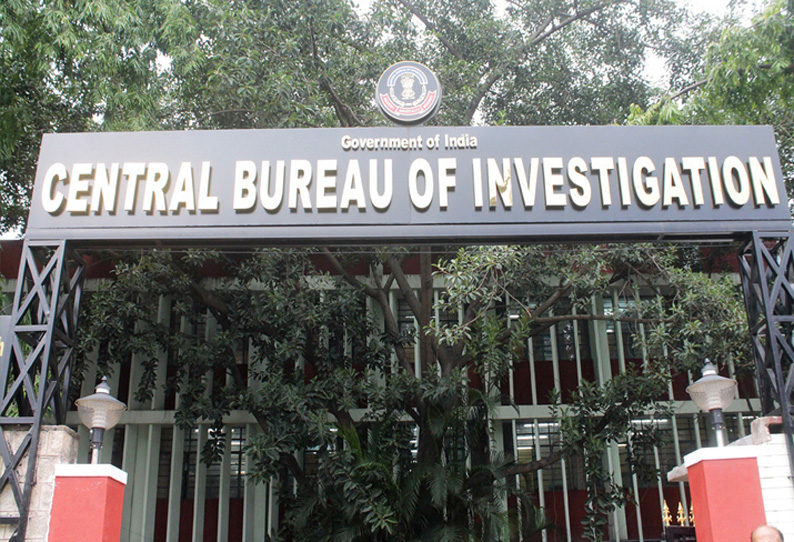


லஞ்சம் வாங்கியதாக கூறப்பட்ட அதிகாரிகளின் பட்டியல் சேகரிப்பு டெல்லியில் இருந்து சென்னை வந்துள்ள சி.பி.ஐ. அதிகாரிகள், குட்கா ஊழல் வழக்கு தொடர்பான விசாரணையை தீவிரப்படுத்தி உள்ளனர்.

ஜூன் 23, 2018, 05:45 AM

சென்னை,


குட்கா ஊழல் வழக்கு தமிழகம் உள்பட இந்தியா முழுவதும் பரபரப்பாக பேசப்பட்ட வழக்காகும்.

இந்த வழக்கில் பல்வேறு திருப்பங்கள் ஏற்பட்டன. சென்னை செங்குன்றத்தில் உள்ள தனியார் குடோன் ஒன்றில் கடந்த 2016-ம் ஆண்டு வருமான வரித்துறை அதிகாரிகள் திடீர் சோதனை நடத்தினார்கள். இந்த சோதனையின்போது தடை செய்யப்பட்ட குட்கா மற்றும் பான்பராக் போன்ற போதைப்பொருட் கள் அந்த குடோனில் பதுக்கி வைக்கப்பட்டு இருந்தது தெரிய வந்தது.

மேலும் குட்கா மற்றும் பான்பராக் விற்பனையில் பல கோடி ரூபாய் வரி ஏய்ப்பு செய்திருப்பதும் கண்டறியப்பட்டது. அந்த சோதனையின்போது, ரகசிய டைரி ஒன்றை வருமான வரித்துறை அதிகாரிகள் கண்டெடுத்தனர். அந்த டைரியில் குட்கா விற்பனையில் வரி ஏய்ப்பு செய்வதற்கு அரசுத்துறை அதிகாரிகள் பலர் உடந்தையாக செயல்பட்ட தகவல்கள் இருந்தன.

மத்திய கலால் வரித்துறை, தமிழக உணவு பாதுகாப்பு துறை, சுகாதாரத்துறை, போலீஸ் துறையில் பணியாற்றும் அதிகாரிகளுக்கு ரூ.47 கோடி வரை மாமூல் கொடுக் கப்பட்டதாக ரகசிய டைரியில் தகவல் எழுதப்பட்டு இருந்தது.

குட்கா ஊழல் வழக்கில் ஒரு அமைச்சர், 2 டி.ஜி.பி.க்கள் உள்ளிட்ட போலீஸ் அதிகாரிகளுக்கு தொடர்பு இருப்பதாகவும் குற்றச்சாட்டு எழுந்தது.

இதுபற்றி வருமான வரித்துறை அதிகாரிகள் தீவிர விசாரணை நடத்தினார்கள். குட்கா விற்பனைக்கு மாமூல் வாங்கிய அதிகாரிகள் மீது நடவடிக்கை எடுக்கும்படி, வருமான வரித்துறை அதிகாரிகள் தமிழக அரசுக்கு கடிதம் எழுதினார்கள். அந்த கடிதம் காணாமல் போய்விட்டதாக தெரிவிக்கப்பட்டது.

இந்த நிலையில் குட்கா ஊழல் விவகாரம் தொடர்பாக தமிழக லஞ்ச ஒழிப்பு போலீசார் வழக்குப்பதிவு செய்து விசாரணை நடத்தி வந்தார்கள். இந்த நிலையில் தி.மு.க. எம்.எல்.ஏ. அன்பழகன் தொடர்ந்த வழக்கின் அடிப்படையில் குட்கா ஊழல் வழக்கை சி.பி.ஐ. போலீசார் விசாரிக்க வேண்டும் என்று சென்னை ஐகோர்ட்டு உத்தரவிட்டது.

ஐகோர்ட்டு உத்தரவை சுப்ரீம் கோர்ட்டும் உறுதி செய்தது. டெல்லி சி.பி.ஐ. அதிகாரிகள் இந்த வழக்கை விசாரிக்க வேண்டும் என்று கோர்ட்டு உத்தரவு பிறப்பித்தது.

அதன்படி டெல்லி சி.பி.ஐ. துணை போலீஸ் சூப்பிரண்டு அசோக்குமார் குட்கா ஊழல் பிரச்சினை தொடர்பாக கடந்த மே மாதம் வழக்குப்பதிவு செய்தார். வழக்குப்பதிவு செய்தவுடன் சி.பி.ஐ. அதிகாரிகள் விசாரணையை தொடங்கினார்கள். லஞ்ச ஒழிப்பு போலீசார் ஏற்கனவே பதிவு செய்திருந்த வழக்கு விவரங்களை சி.பி.ஐ. போலீசார் முதல்கட்டமாக கேட்டு அறிந்தனர்.

பின்னர் டெல்லி சி.பி.ஐ. அதிகாரிகள் 8 பேர் சென்னையில் முகாமிட்டு விசாரணை மேற்கொண்டு வந்தனர். குட்கா ஊழல் பிரச்சினையில் சம்பந்தப்பட்ட அரசு அதிகாரிகளின் பெயர் பட்டியலை சி.பி.ஐ. அதிகாரிகள் சேகரித்து வந்தனர்.

இந்த வழக்கில் திடீர் திருப்பமாக, நேற்று சென்னை தேனாம்பேட்டை டி.எம்.எஸ். வளாகத்தில் செயல்படும் உணவு பாதுகாப்பு துறை அலுவலகத்துக்கு டெல்லியில் இருந்து வந்துள்ள சி.பி.ஐ. அதிகாரிகள் சென்றனர்.

உணவு பாதுகாப்பு அலுவலகத்தில் உள்ள அதிகாரிகளிடம் சி.பி.ஐ. அதிகாரிகள் தீவிர விசாரணை மேற்கொண்டனர். குட்கா ஊழல் பிரச்சினையில் சம்பந்தப்பட்ட அதிகாரிகளின் பெயர் பட்டியல் மற்றும் சில முக்கியமான ஆவணங்களை சி.பி.ஐ. அதிகாரிகள் பெற்று கொண்டனர்.

இதேபோல் பெசன்ட் நகர் ராஜாஜி பவனில் உள்ள சரக்கு மற்றும் சேவை வரி அலுவலகத்திலும் சி.பி.ஐ. அதிகாரிகள் விசாரணை நடத்தி முக்கிய ஆவணங்களை சேகரித்தனர்.

பின்னர் விசாரணையை முடித்துக்கொண்டு சி.பி.ஐ. அதிகாரிகள் சென்றுவிட்டனர்.

விரைவில் குட்கா ஊழலில் சம்பந்தப்பட்ட உணவு பாதுகாப்பு துறை அதிகாரிகளுக்கு சி.பி.ஐ. அதிகாரிகள் ‘சம்மன்’ அனுப்புவார்கள் என்று எதிர்பார்க்கப்படுகிறது.

உணவு பாதுகாப்பு துறையை அடுத்து சுகாதாரத்துறை, போலீஸ்துறையை சேர்ந்த அதிகாரிகளிடமும், சி.பி.ஐ. போலீசார் ‘சம்மன்’ அனுப்பி விசாரணை மேற்கொள்வார்கள் என்று எதிர்பார்க்கப்படுகிறது.

குட்கா ஊழல் வழக்கு விசாரணை சூடுபிடிக்க தொடங்கி இருப்பதால், இந்த வழக்கில் அடுத்தடுத்த திடீர் திருப்பங் கள் ஏற்படலாம் என்று எதிர்பார்க்கப்படுகிறது.

Chennai is eating healthy with these safe food Sundays

— Sindhu.Vijayakumar@timesgroup.com

Times of India 23.06.2018

Why do the health-and-environment-conscious residents of the city wait for Sundays nowadays? That's the day the volunteers of OFM (Organic Farmers Market) set up their makeshift shops, which are open for about three hours, in Mahalingapuram and West Mambalam. Safe Food Sundays is an initiative by OFM, predominantly run by volunteers. They ensure that organic groceries reach the consumers at regular intervals. From rice, pulses, cold-pressed oils to floor and surface cleaners, one can get everything organic here. You won't find fruits and vegetables here, though. Also, be sure to carry your shopping bags and stainless steel containers if you want to take home cold-pressed oils, since they don't use plastic for packing.

Founder volunteers of Safe Food Sundays, Sujatha Arun and Seethalakshmi Manikandan, have been involved in conducting these markets on Sundays, without fixed infrastructure or fixed costs since October last year. Sujatha says, “The advantages of operating this kind of a market are many. We need not spend money on rent, electricity and salaries. It's the consumers who have been playing a vital role in spreading the message through various means. Also, we have very dependable volunteers.”

Seethalakshmi is from Saidapet, and has been involved with organic produce for the past four years. She says, “Through this initiative we guarantee consistent, continuous availability of safe food for all. There is transparency and traceability, and we ensure fair pricing of organic products both for the farmer, and consumer.”

From Mapillai samba, kullakar rice, kichili samba, seeraga samba, sona masuri to Belgaum basmati, they have a wide variety of rice. Seethalakshmi make it a point to explain the origin of each variety of rice and its special uses. She adds, “The cold-pressed oil we source is made from organic seeds. By using this oil to cook, you can be sure that the food will stay long with its taste intact. Since it contains Vitamin E, it can reduce cholesterol. It’s also suitable for oil bath.”

Shanthi from Thiruverkadu has been making dish-washing liquid and herbal floor and surface cleaners using organic products. “As an income-generation project, we have engaged four women to make these organic products. We use camphor, neem and soap nut in floor cleaners whereas dried peels of lemon and orange are added to soap nut for making the dishwashing liquid.” However, she warns, “The chemical-laden cleaning products are bad for lungs; they're as bad as smoking 20 cigarettes a day. Why inhale all the chemicals and destroy our health when we can get the same or better results with organic products?” She along with her team makes 1000 bottles of cleaning liquid a month.

Ananthoo, food activist and founder of Restore, the brain behind the initiative, tells us, “Instead of setting up shops, we have started this experiment where we take the organic grocers in bulk directly from the farmers and sell in some friends'/volunteers garage. The response is good and going forward, we plan to add perishable items such as vegetables and fruits, too.” On OFM's fair price strategy, he says, “The prices should be equally favourable for the customer, farmer and trader. Farmer should be compensated with a fair price by considering his input costs and efforts.”

The group focuses on bridging both urban-rural and demand-supply gaps. They currently stock and sell unpolished millets, cold-pressed oils, traditional rice varieties, pulses, spices, whole grain flours, dry fruits, nuts and sweeteners.

ORGANIC RULES

Products should be traceable to the farm/farmer where it was grown. The seller should not withhold farmer information; the customers have the right to know their farmers

Have a zero tolerance policy for chemical contamination in any form at production, processing and packing

Review of food processing is important to eliminate the possibility of contamination

Instead of going for big traders or large brands, try to leverage small organic farmers and cooperatives


INCREASING COMFORT

Regional language users move to online transactions

Aparna.Desikan@timesgroup.com

Chennai:  23.06.2018

Rajendran S, a cab driver, started using his smartphone for Ola and was comfortable with the app since it had a Tamil version.

Now, with increasing comfort levels in using the phone, he has moved on to transacting on Paytm and buying products on Flipkart.

“The first step was getting the device and becoming familiar with the interface. Now that the apps are user friendly to us those who don’t speak or understand fluent English, we are transacting online,” said Rajendran.

When it comes to usage of apps among regional language users, the mobile app world is no longer dominated by social networking or messaging apps. Non-English speaking internet users are migrating from using mobile apps merely for communication & content consumption to transactions, say regional language technology startups. Early entrants like Reverie are seeing increasing number of people transacting on the internet using shopping apps such as Amazon, Paytm or finance apps such as Tez and PhonePe. Ixigo and NTES also feature in the top apps list. “Out of the top 25 apps used, 4 are shopping apps. Besides, we also notice that even as these apps are available on the internet, regional-language users just used them to browse, whereas now, they are actively searching for a particular product, going ahead with the transaction,” said Rishi Kudale, marketing head, Reverie Language Technoligies.

Even as social media apps and communication platforms retain the top position, transactions made online among non-english speaking users are seeing a 100% jump in base numbers. Indus OS, a startup that develops apps and an operating system for regional language users sees Flipkart, Amazon predominate the scene. “For our users alone, shopping as a category has seen a 33% growth in the last one year, thereby proving that non English users are now using internet beyond content consumption and generation. A point to be mentioned is that consumers, however, go through the products through images and make the purchase,” said Rakesh Deshmukh, CEO and co-founder, Indus OS.

The company also sees that 70% of the growth comes from Tier-1 and Tier-2 cities. “This further proves that those users who have so far been using English apps for shopping are now migrating towards regional-language supported counterparts,” added Deshmukh
Jail for Kollam woman, lover for husband’s murder in Oz

Sofia Sam (34) and her lover Arun Kamalasanan (36), both from Kollam in Kerala, were sentenced to 22 and 27 years’ imprisonment in Australia for poisoning Sofia’s husband Sam Abraham to death. They were in February found guilty of murdering Sam at his home in Epping, Melbourne in October 2015.

The Supreme Court of Victoria gave the verdict on Thursday. Sam (33) was reportedly found dead in his bed by Sofia in the morning and it was initially thought that he suffered a heart attack. An autopsy later revealed that he died of cyanide poisoning. Sonia and Arun were found guilty after a lengthy investigation.

“This is a very serious example of the crime of murder,” Justice Paul Coghlan said in his sentence. “Sam Abraham was a young man asleep in bed at home with his family when he was killed by the use of poison. I am satisfied that the poison was chosen as your murder weapon in an attempt to avoid detection,” he added.

Detectives had tracked Sofia and Arun, who were known to each other from their college days, for months after the death. They also found a secret diary that Sofia shared with Arun, showing their “deep” feelings for each other.

Sofia, who got married in 2008, moved to Melbourne in 2012 and Sam joined her in 2013.

Police found that Arun had sedated Sam and then poisoned him by pouring cyanide-laced orange juice into his mouth while he was asleep. The court on Thursday heard evidence from six surveillance officers besides Arun’s confession. Sofia had pleaded for a lesser sentence considering her nine-year-old son but the court did not buy the argument. Sofia’s son is presently with her sister in Australia.

Reacting to the verdict, Sam’s father Samuel Abraham said the court should have sentenced the two to life imprisonment for betrayal and murder of this kind. AGENCIES

Sofia Sam and her lover Arun Kamalasanan (left) were sentenced to 22 and 27 years’ imprisonment respectively for murdering Sofia’s husband Sam Abraham
‘Teacher slapping student not abetment to suicide’

TIMES NEWS NETWORK

Jabalpur/Bhopal:  26.06.2018

If a teacher chastises a child for indiscipline, it doesn’t make a case for abetment to suicide, Madhya Pradesh high court said on Friday, dismissing a petition filed by the uncle of a Class X student who hanged herself in November last year after being scolded by her principal.

“The principal and teachers don the mantle of a parent during the time the child is in school. Like a parent, who would — and is expected to — admonish a child who errs with the intention of correcting the child, so are the principal and teachers expected to admonish and chastise students when they transgress discipline of the school,” Justice Atul Shridharan said in his order.

The girl, who lived in Kotma town of Anuppur district, had committed suicide on November 14, 2017, after being scolded and allegedly slapped by principal R K Mishra, who had seen her with two friends outside school before classes gave over. She told her uncles what had happened and hanged herself. Her family tried to file an FIR against the principal under IPC 306 (abetment to suicide), but police refused. An uncle then moved court, saying his niece committed suicide out of humiliation as the principal had “slapped and scolded her in the presence of two friends”.

On Friday, Justice Shridharan said: “It goes without saying that the days of ‘spare the rod and spoil the child’ are long gone, but it does not mean that the principal and teachers of a school languidly watch and ignore acts of indiscipline and indiscretions of a child. Correction by way of admonishment and chastisement, as and when required, remains a sacred duty of those imparting education... Behind every person languishing in prison as a convict, are a man and woman who failed as parents and a system of education that could not transcend the three Rs.”

Ensuring that good values are drilled into students consistently is far more important than ensuring that they do well in the material world and arrive at important stations in life, the judge observed. “Brilliance without integrity and character is a social and national liability rather than an asset. Schools must emphasise this. Admonishment and chastisement may form an integral part of that exercise. Yes, in the process, it may be natural for the child to feel embarrassed or humiliated, but it is these very emotions that would prevent the child from repeating the mistake,” he remarked.

It would imperil education if a teacher were to be prosecuted when an “extraordinarily sensitive child” takes the drastic step of suicide, Justice Shridharan said.

“If students are expected to grow up in an environment, where they know that they shall not be chastised or spoken harshly to for transgressions, society may end up having young delinquents who grow up without having fear of the law on account of the free hand they received during the schooling years,” he observed.
AIIMS to start functioning in two years: Min

TIMES NEWS NETWORK

Madurai:  23.06.2018

The All India Institute of Medical Sciences (AIIMS) will come up in Madurai in two years and the state will meet the five conditions laid down by the central government for its establishment, said health minister C Vijayabaskar here on Friday. He said the work would be initiated on ‘zero-delay’ mode.

The minister inspected the site at Thoppur where the AIIMS is to be established along with his equivalents, R B Udayakumar and Sellur Raju, as well as health secretary Dr J Radhakrishnan, district collector K Veeraraghava Rao and officials of various departments. He said that the AIIMS hospital would be the crowning glory of the already outstanding health sector in the state. Tamil Nadu was the first developed state to get the multi-speciality hospital as AIIMS hospitals had been established in backward states like Bihar, he said. He added that the World Bank had sanctioned Rs 2,685 crore for healthcare development in the state. The superspeciality hospitals in Madurai, Tirunelveli and Thanjavur were nearing completion.

With the central government in the process of preparing the detailed project report, he said that everything was on course to launch the project immediately. A total of 198.27 acres of land was kept ready to be handed over to the hospital and the approach road connecting the national highway would be laid through the satellite city coming up near it, he said. As the Centre had sought 5MLD of water, the district collector had assured that it would be provided through the Cauvery comprehensive water scheme, he said, adding that he had come to know that the groundwater in the region was also good.
Raj Bhavan cuts costs by 80% in 6 mths
Expenditure Down To ₹30L From ₹1.68 cr


D.Govardan @timesgroup.com

Chennai: 23.06.2018

: At a time when government spending has become a matter of concern, Raj Bhavan in Chennai has offered a way out. Plugging leaks on expenditure, it has reduced spending by more than 80% in six months from ₹1.68 crore during April 2017 - September 2017 to ₹30.3 lakh during October 2017 - March 2018 of the last financial year.

“We streamlined procurement process, introduced a system of paying for services, besides preferring economic class travel on flights, including for the governor, and strict monitoring of usage of electricity. This has helped reduce the expenditure, without cutting down any ceremonial hospitality expenses,” said R Rajagopal, additional chief secretary to the Tamil Nadu governor.

Banwarilal Purohit took over as governor of Tamil Nadu in October last year, succeeding Ch Vidyasagar Rao, who was holding additional charge of the state, besides Maharashtra.

While opposition parties have been accusing Purohit of making frequent visits to districts, terming it interference in the affairs of the state government, Raj Bhavan’s biggest gain, in the comparable six months, was in travel expenses, which came down to ₹4.75 lakh in the second half, from ₹80.5 lakh in the first half of last fiscal. “While the governor prefers mostly train journey for travel within the state, travel by flight to all destinations is in economy class for all, including the governor. The number of people accompanying him too has been limited, unlike in the past,” Rajagopal said.

The steep reduction in travel costs in the six-month comparable period last fiscal was also due to a hefty ₹55 lakh bill that the Indian Air Force had raised for use of its special aircraft for travel within Tamil Nadu by former governor Vidyasagar Rao.

Another major saving was on catering expenses, where the expenditure came down to ₹9.23 lakh for the second half of last year, from the earlier ₹41.75 lakh in the first half.

“Provisions were being procured from a private store and there was no monitoring system in place to check on the quantum of orders placed and actual goods delivered. We now buy it from the state co-operative-run Amudham store that cannot duplicate bills. While fruits, vegetables and flowers are still bought from local markets, we now have a monitoring system in place and people from other departments accompany those tasked for buying these,” Rajagopal said.

Earlier, the canteen used to charge ₹10 each for breakfast, lunch and dinner and for both vegetarian and non-vegetarian categories. Now, it is only vegetarian, with breakfast priced at ₹50, while lunch and dinner at ₹80 each.

“Everyone, including the governor, pays for meals. Paying for services has become the order of the day in Raj Bhavan and this applies to fuel for private use of office vehicles, both by governor and officials,” said Rajagopal.

Electricity charges, too, have reduced sharply by around 60%, from ₹28.57 lakh to ₹10.99 lakh in the comparable periods. Expenses on garden contingencies too came down to ₹2.83 lakh from ₹11.99 lakh. A system has been put in place for all expenditures and it will not be easy to overlook it in future too, added Rajagopal.

NEWS TODAY 25.07.2026