Sunday, August 30, 2020

Your phone knows when you’re drunk


Your phone knows when you’re drunk

30.08.3030

By detecting changes in the way one walks, a smartphone can tell when a person has had too much alcohol, suggests the findings of a new study.

The study was published in the Journal of Studies on Alcohol and Drugs.

Having real-time information about alcohol intoxication could be important for helping people reduce alcohol consumption, preventing drinking and driving or alerting a sponsor for someone in treatment, according to lead researcher Brian Suffoletto, M.D., who was with the University of Pittsburgh School of Medicine when the research was conducted and is now with Stanford University School of Medicine.

“We have powerful sensors we carry around with us wherever we go,” Suffoletto says. “We need to learn how to use them to best serve public health.”

But for Suffoletto, this research is much more than academic. “I lost a close friend to a drinking and driving crash in college,” he says. “And as an emergency physician, I have taken care of scores of adults with injuries related to acute alcohol intoxication. Because of this, I have dedicated the past 10 years to testing digital interventions to prevent deaths and injury related to excessive alcohol consumption.”

For the study, Suffoletto and colleagues recruited 22 adults aged between 21 to 43. Volunteers came to a lab and received a mixed drink with enough vodka to produce a breath alcohol concentration of .20 per cent. They had one hour to finish the alcohol.

Then hourly for seven hours, participants had their breath alcohol concentration analysed and performed a walking task. For this task, researchers placed a smartphone on each participant’s lower back, secured with an elastic belt. Participants walked a straight line for 10 steps, turned around, and walked back 10 steps.

The smartphones measured acceleration and mediolateral (side to side), vertical (up and down), and anteroposterior (forward and backward) movements while the participants walked. About 90% of the time, the researchers were able to use changes in gait to identify when participants’ breath alcohol concentration exceeded .08%, the legal limit for driving in the US.

Although placing the smartphone on the lower back does not reflect how people carry their cell phones in real life, the research group plans to conduct additional research while people carry phones in their hands and in their pockets.

And although it was a small investigation, the researchers write that this is a “proof-of-concept study” that “provides a foundation for future research on using smartphones to remotely detect alcoholrelated impairments.” ANI


WALK TELLS ALL: A smartphone can tell when someone has had too much alcohol because of their walk

Govt revives 2-year PG medical diploma course


Govt revives 2-year PG medical diploma course

TIMES NEWS NETWORK

New Delhi:30.08.3030

With an aim to address the shortage of specialists in district hospitals and in rural India, the health ministry has allowed two-year post-graduate (PG) diploma courses that applicants can pursue after completing their MBBS.

This will enable National Board of Examination to start eight post graduate speciality diploma courses in obstetrics and gynaecology, anaesthesiology, paediatrics, tuberculosis and chest disease, family medicine, ophthalmology, radio diagnosis, and ENT.

The health ministry issued the order after consultation with the Board of Governors (BoG) in suppression of the Medical Council of India.

Candidates can pursue these courses by clearing the NEET-PG exam after completing MBBS.

Hospitals with a minimum of 100 operational beds are eligible to seek accreditation with NBE for the diploma courses.

TOI had reported about this proposal being considered by the government in March.

The move assumes significance in view of the pandemic which has restricted movement because of fear of infection. The dearth of specialist doctors in rural and remote areas have become more challenging for the healthcare system now than ever as critical patients are unable to travel to cities and metros to seek tertiary care.

The Medical Council of India (MCI) had in 2019 converted its diploma courses into degree courses to overcome the shortfall of teaching faculty in the country.

Hospitals with a minimum of 100 operational beds are eligible to seek accreditation with NBE for the diploma courses

3 paediatricians die in a day of Covid-19 in Maharashtra

3 paediatricians die in a day of Covid-19 in Maharashtra

Rapid Health Deterioration A Common Factor

Chaitanya.Deshpande@timesgroup.com

Nagpur:30.08.3030

Three paediatricians from Akola, Buldhana and Bhusawal, who were treating Covid-19 patients at different places, died of coronavirus infection on Friday. Very rapid deterioration of health was the common factor in all the three deaths.

As per central government data, 292 health care workers have died in Maharashtra. According to state figures, 26 government doctors have died due to Covid-19 in Maharashtra till date. According to Indian Medical Association (Maharashtra), more than 90 private practitioners have died of Covid-19 in Maharashtra.

In Vidarbha region, 3 doctors in government service have died of Covid-19. More than 10 private practitioners have died in region due to the virus, according to the IMA.

Dr Vivek Phadke, 55, who died on Friday was the chief medical officer of the Covid care centre in Murtizapur in Akola district since the last five months. He died within 44 hours of admission. The other two were private practitioners.

Dr Phadke got himself admitted to Akola GMCH on August 26 after he developed Covid symptoms. “He was otherwise fit but had some lifestyle-based comorbidities like diabetes. His condition was very good when he got himself admitted. But his health deteriorated suddenly,” said Dr Ranjeet Deshmukh, his long-time companion, from Neighbouring Buldhana district witnessed a death of young private practitioner Dr Gopal Kshirsagar, 37, who used to run a hospital in Janefal town of Mehkar tehsil. Dr Kshirsagar got admitted in a private hospital in Aurangabad on August 5.

Senior paediatrician from Bhusawal, Dr Umesh Manohar Khanapurkar, died on the same day in Mumbai. He was known as ‘garibanche doctor’ (doctor of poor people) in Bhusawal. Family members of Dr Khanapurkar are also reputed doctors in the region. Dr Khanapurkar tested positive on August 11 and was admitted to a private hospital in Mumbai. Dr Deshmukh said that Dr Phadke was one of the “finest in government setup”. “He worked with dedication and never got into private practice. After working for more than a decade in Akola, he was working in Murtizapur for the last several years,” he said.

“He was doing well during initial days of treatment. But his condition suddenly deteriorated,” he added. Dr Khanapurkar, practising since 1988, is credited to have saved hundreds of critically ill babies. “He was providing health services to the poor during lockdown,” said Dr Ashutosh Kelkar from Bhusawal.

Dr Ravi Wankhedkar, treasurer of World Medical Association, said that doctors dying due to Covid is a serious cause of concern. “Over-bureaucratization of Covid-19 crisis and non-involvement of health experts in decision-making has worsened the situation,” he said. He added that health care workers need more protection.


Unnao MP Sakshi Maharaj stopped, quarantined in J’khand
Bokaro:

BJP’s Unnao MP Sakshi Maharaj was stopped by Jharkhand police en route to Dhanbad on Saturday for allegedly violating Covid-19 protocol and put in 14-day institutional quarantine in Giridih. Sakshi Maharaj had arrived early in the morning and spent two hours with his ailing 97-year-old mother.

While the MP accused the JMM-Congress-RJD government of forcibly quarantining him, Giridih DC Rahul Kumar Sinha said there was nothing political about the decision. TNN

2L poor quality engineers to pass out as arrear exams scrapped: Experts

2L poor quality engineers to pass out as arrear exams scrapped: Experts

‘Hard Earned Degrees Will Lose Value’

Ragu.Raman@timesgroup.com

Chennai:30.08.3030

The cancellation of all arrears exams for engineering students in Tamil Nadu, due to Covid-19, may in one stroke bring down the value of lakhs of hard earned degrees and ensure that at least two lakh students without basic understanding in key subjects become engineers, say experts.

It may also damage the reputation of Anna University and lead to genuine students being overlooked for courses of higher education or employment due to loss of credibility, they add.

The government announced that all students with arrears (except final semester) who have registered and paid fees for exams will be exempted from writing exams and they will be promoted.

There are currently 4,01,226 engineering students with arrears in TN. “Of the two lakh students now set to receive degrees without clearing exams, one lakh have finished college and 10,000 have exhausted all attempts to clear arrears,” a professor said. Currently, one student has been found to have 61 arrears out of 68 papers, he said.

B Chidambararajan, principal of Chennai-based Valliammai Engineering College, said a student can clear 6-10 papers in one semester. “If students with more arrears are promoted without writing exams, the value of degrees will be lost. Even now many companies don’t rely on semester marks to select candidates,” he said.

Almost all private companies have a robust recruitment process and will not take up students without screening them, he said. “If any of such candidates join the public sector, it will have very serious consequences,” he said, suggesting an exit test for students with many arrear.

The concept of getting students to arrear exams is to enable them to acquire sufficient knowledge in a subject, said M A Maluk Mohammed, director and correspondent of MAM College of Engineering and Technology in Trichy. “Citing Covid-19 scenario, we cannot pass all students with arrears. It is making a mockery of the system.” The government can come up with innovative solutions like online exams or open book exams, he said.

E Balagurusamy, former vice-chancellor of Anna University, said universities are not ration shops to distribute free degrees.

“There is no need to declare students with arrears passed with such urgency. Many finished college years ago and have been appearing for arrear exams for several years. They can wait for a few more months.”

All India Council for Technical Education chairman Anil D Sahasrabudhe wondered how a student who failed a course could be given a degree. “Such students will not be valued by industry or other higher educational institutes and would not get jobs. What is the use of such degrees?”


‘Unfair to those who couldn’t pay fee’

The state government’s decision to scrap arrear exams and promote students who have paid the arrears exam fees, received criticism from those who didn’t make the payment. “Payment of fees alone cannot be the criteria for the promotion. If all students cannot avail of this benefit, the exams should be postponed,” said G Kavita, a BSc Maths student at a Madurai college. Colleges state that those intending to write the exam would have paid when the fee was being collected before the lockdown in February and March. “In this uncertain period, several students with just one or two arrears could not pay the fees,” said S Vel Deva, Madurai district secretary, Students’ Federation of India (SFI). Questioning the cancellation of the arrears exams on a large-scale basis, he added that there should be equality in this process. TNN

Unlock 4.0: States, UTs barred from declaring local lockdown Metro From Sept 7; Schools & Colleges To Remain Closed

Unlock 4.0: States, UTs barred from declaring local lockdown

Metro From Sept 7; Schools & Colleges To Remain Closed

Bharti.Jain@timesgroup.com

New Delhi: 30.08.2020

In a bid to curb restrictions like “weekend lockdowns” seen to be hurting the economy still reeling under Covid, the Unlock 4.0 guidelines released by the Centre on Saturday make it mandatory for states and Union territories to consult the Centre before imposing any local lockdown in areas other than containment zones.

This guideline, according to home ministry sources, was necessary to ensure that supply chains are not disrupted by “arbitrary” lockdowns imposed at the district or city level, which tend to adversely affect free inter-state and intra-state movement of goods. Traders’ associations have also been up in arms over the weekend curbs in particular, protesting that it adversely impacts business. In important relaxations, city Metro trains will operate with services resuming in a graded manner from September 7, while bars and restaurants can serve liquor to customers from September 1itself.

Starting September 21, social, religious, academic, sports, entertainment, religious and political functions with a maximum congregation of 100 people will be permitted in non-containment areas, subject to norms. Marriage functions and funerals, which at present can have maximum 50 and 20 attendees, respectively, will also have a raised ceiling of 100 attendees after September 20. Schools and colleges will remain shut until September 30.


More relaxations in TN likely soon

As TN tally surpassed four lakh Covid cases and 7,000 deaths, chief minister Edappadi K Palaniswami, who held a review meeting with collectors on Saturday, directed them to give priority to elderly and those with co-morbidities in conducting RT-PCR tests. Sources said the CM was considering more relaxations to revive the economy. P 5

MHA norms will be effective from September 1-30

However, there is an easing for Class IX to Class XII students who can visit schools for guidance from teachers but with the written permission of parents, while 50% teaching and other staff can be called by schools from September 21.

Post-graduate students and those who need to conduct research and use labs will be allowed to attend higher education institutions. However, all this will be subject to standard operating procedures to be issued by the health ministry.

The norms will be effective from September 1-30. The advisory on local lockdowns may not go down well with some opposition-governed states that have been following their versions of containment, which vary across cities and districts in terms of extent of curbs.

“The home ministry received representations from industry associations like Ficci and CII against ‘local’ lockdowns citing their adverse impact on supply chains and resumption of economic activity on full scale. The guidelines don’t bar the state from imposing local lockdowns, they only require the Centre to be consulted before imposing them,” said an official.

While cinema halls, swimming pools, entertainment marks and theatres will stay shut, open-air theatres can resume from September 21.

With guidelines lifting the ban on public consumption of liquor, tobacco products and gutka, bars can finally open their counters and restaurants can serve liquor from September 1.

Allowing up to 100 people at a public function will help physical campaigning and holding of rallies and public meetings for the upcoming Bihar polls and other bypolls, expected to be announced next month.

Full report on www.toi.in

Saturday, August 29, 2020

23 அரியரில் பாஸ்: முதல்வருக்கும், கொரோனாவுக்கும் திருச்சி மாணவர் நன்றி

23 அரியரில் பாஸ்: முதல்வருக்கும், கொரோனாவுக்கும் திருச்சி மாணவர் நன்றி

Updated : ஆக 29, 2020 04:16 | Added : ஆக 29, 2020 04:13 |

திருச்சி;முதல்-அமைச்சரின் உத்தரவால் திருச்சியை சேர்ந்த என்ஜினீயரிங் கல்லூரி மாணவர் 23 அரியர் பாடங்களிலும் பாஸ் ஆகி உள்ளார். அதனால் எல்லையில்லா மகிழ்ச்சி அடைந்ததாக அவர் தெரிவித்துள்ளார்.கொரோனா தொற்று பரவல் காரணமாக ஊரடங்கு அமல்படுத்தப்பட்டது. தேர்வு நேரத்தில் பஸ் உள்ளிட்ட வாகன போக்குவரத்தும் தடைபட்டது. பள்ளி மாணவர்களின் நலன்கருதி எஸ்.எஸ்.எல்.சி. பொதுத்தேர்வு எழுதாமலேயே அனைத்து மாணவ-மாணவிகளும் தேர்ச்சி பெற்றதாக அரசு அறிவித்தது.


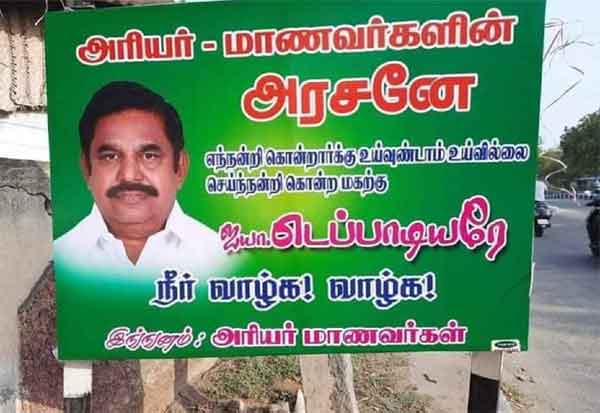
அடுத்ததாக கல்லூரிகளில் இறுதியாண்டு செமஸ்டர் தவிர, இதர ஆண்டுகளில் பாடங்களில் அரியர்ஸ் வைத்திருந்த அனைத்து மாணவ-மாணவிகளும் தேர்ச்சி பெற்றதாக முதல்வர் பழனிசாமி அறிவித்தார். இது கல்லூரிகளில் சரிவர படிப்பு வராமல் இருந்த மாணவ-மாணவிகளுக்கு பெரும் அதிர்ஷ்டம் அடித்தாற்போல மகிழ்ச்சியில் திளைக்க தொடங்கினர்.


திருச்சி கிராப்பட்டி பகுதியை சேர்ந்த என்ஜினீயரிங் கல்லூரியில் 3-ம் ஆண்டு படித்து வரும் மாணவர் சஞ்சய்நேரு , 23 பாடங்கள் அரியர் வைத்திருந்தார். தமிழக அரசு அரியர் வைத்துள்ள அனைத்து பாடங்களும் 'பாஸ்' என அறிவித்ததும் மகிழ்ச்சியில் பெருமையுடன் கூறினார்.

இது குறித்து மாணவர் சஞ்சய்நேரு கூறியது:நான் எஸ்.எஸ்.எல்.சி. பொதுத்தேர்வில் 427 மதிப்பெண்களும், பிளஸ்-2 வில் 905 மதிப்பெண்களும் எடுத்திருந்தேன். என்ஜினீயரிங் படிக்க எனக்கு ஆர்வம் இன்றி இருந்தேன். ஆனால், கட்டாயத்தின்பேரில் திருச்சி-திண்டுக்கல் சாலையில் உள்ள தனியார் கல்லூரி ஒன்றில் கடந்த 3 ஆண்டுக்கு முன்பு எலக்ட்ரானிக் அன்ட் கம்யூனிகேஷன் என்ஜினீயரிங் (இ.சி.இ.) பாடப்பிரிவை எடுத்து படித்தேன். பள்ளியில் மனப்பாடமாக படித்ததுபோல கல்லூரியில் படிக்க முடியவில்லை. கல்லூரியில் இருந்து இடையில் நின்று விடலாமா? என யோசித்து கொண்டிருந்தேன்.

முதலாம் ஆண்டில் முதல் செமஸ்டரில் ஒரு அரியர் பேப்பரும், 2-வது செமஸ்டரில் 5 அரியர் பேப்பரும் இருந்தது. 2-ம் ஆண்டில் 3-வது செமஸ்டரில்-5, 4-வது செமஸ்டரில்-6, 3-ம் ஆண்டில் 5-வது செமஸ்டரில்-6 என மொத்தம் 23 அரியர் இருந்தது. மேலும் அத்தனை அரியர் பாடங்களை மீண்டும் எழுதும் நோக்கில் கட்டணமும் செலுத்தினேன்.

இந்த நிலையில்தான் முதல்வர் பழனிசாமி, கல்லூரி மாணவ-மாணவிகளின் அரியர் பாடங்கள் அனைத்தும் பாஸ் என அறிவித்தார். இதற்காக அரசுக்கு நன்றி தெரிவித்து கொள்கிறேன். தற்போது நான் எல்லையில்லா மகிழ்ச்சியில் உள்ளேன். இதற்கு காரணமான கொரோனாவுக்கும் நன்றி. இனி இறுதியாண்டில் எப்படியாவது எஞ்சிய செமஸ்டர் பாடங்களை நன்றாக படித்து தேர்ச்சி பெற முயற்சி மேற்கொள்வேன்.இவ்வாறு அவர் தெரிவித்தார்.

SC: Final year exams must for judging students’ competence

SC: Final year exams must for judging students’ competence

Justifies UGC Decision To Hold Exams For Awarding Degrees

Dhananjay.Mahapatra@timesgroup.com

New Delhi:29.08.2020

The Supreme Court on Friday justified the UGC’s insistence on final examinations for undergraduate and postgraduate courses for award of degrees and said this was an important process to seek evidence of students’ knowledge and evaluate it.

A bench of Justices Ashok Bhushan, R S Reddy and M R Shah said, “Final year/ terminal semester examinations are important because the learning process is a dynamic interaction where the only way to figure out what students know is to seek evidence of their knowledge and to evaluate it. Performance in examination, especially final year/ terminal semester examination, are a reflection of competence of the students.

“Terminal semester/final year examination also provides an opportunity to students to improve upon their overall score/marks which are very crucial for academic excellence and opportunities of employment. Final year/terminal semester examination of undergraduate or postgraduate is an opportunity for a student to show his optimum calibre which paves his future career both in academics and employment.”

Maharashtra government, drawing support from West Bengal and Delhi, had questioned the rationale behind UGC fixing a September 30 deadline for completion of final examinations without taking into account the dynamic Covid-19 situation in different states. The bench said, “UGC had rightly fixed a date for completion of terminal semester/ final year examination throughout the country to maintain uniformity in the academic calendar.”

The court said UGC fixed a uniform deadline as students, who look forward to admission in higher courses or take employment, require final degree for their career prospects and for this, there has to be to uniformity in dates by which final examinations are over.

Maharashtra government had decided on June 19 that final year examination of professional courses could not be arranged during the pandemic.

With regard to non-professional (traditional) courses, the state had decided to declare results by adopting a suitable formula after obtaining in writing from students that they intended to get degree without appearing in examinations.

The states had argued that UGC could not have taken a unilateral decision to fix September 30 deadline for completion of final examinations without consulting states and universities. The bench said, “Whether for collecting information relating to university education in India, if UGC has to consult all 900 or more universities and whether without consultation with the universities, it cannot perform its functions under Section 12 of the UGC Act, the answer would be obviously that it is not necessary for UGC to consult all universities while collecting information relating to university education in India.”


LAYS DOWN THE LAW

MBBS limbo: BRD medical college 3 Students stuck for upto 20 years as NMC's 9-year cap clashes with MCI-era admissions

MEDICAL DIALOGUE MBBS limbo: BRD medical college 3 Students stuck for upto 20 years as NMC's 9-year cap clashes with MCI-era admissions ...